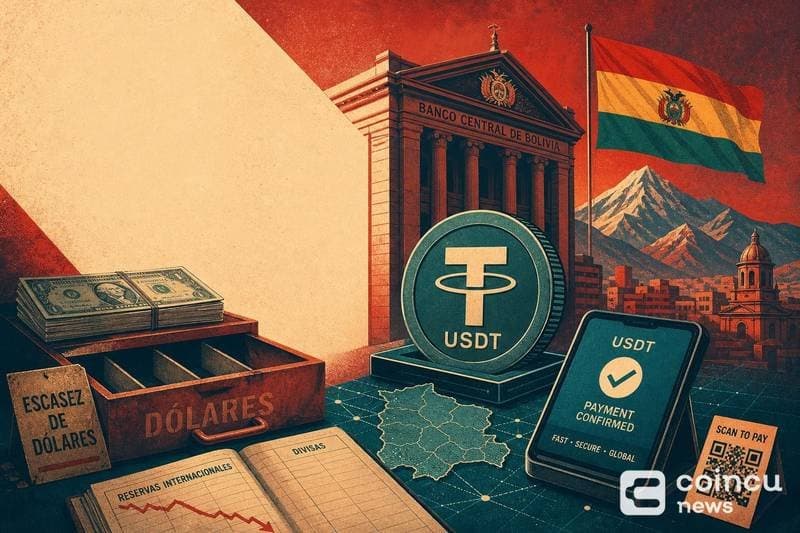
As Bolivia explores the integration of Tether (USDT) for payment systems, the broader implications for the stablecoin market cannot be overlooked. This development comes amid a growing trend where financial institutions are increasingly expanding their offerings of stablecoins, providing an alternative solution as countries face dollar shortages.
The Bolivian regulators are in the process of drafting frameworks that could facilitate this integration. The push for stablecoin services is particularly relevant in contexts where traditional fiat currencies are facing limitations, such as inflation or liquidity crises. In Bolivia, the potential adoption of USDT might address some economic challenges, while also signaling a move towards more innovative financial solutions in the region.
Potential Consequences for Financial Institutions
The involvement of financial institutions in offering stablecoins like USDT may lead to several changes in the market landscape:
- Increased competition among banks to offer digital financial products
- A shift in consumer preferences towards digital assets
- Potential regulatory challenges as frameworks are established
Bolivia's potential steps could mirror trends being observed globally, as many countries recognize the benefits of integrating digital assets into their financial ecosystems. Just as regulatory clarity in the U.S. aims to foster confidence in cryptocurrency markets, Bolivia’s approach may similarly set a precedent for stablecoin adoption in South America.
In summary, Bolivia's examination of USDT integration is a noteworthy case study in the evolving narrative of stablecoins, potentially influencing the broader adoption of digital currencies in regions grappling with financial instability.
This article is for informational purposes only and does not constitute financial advice.