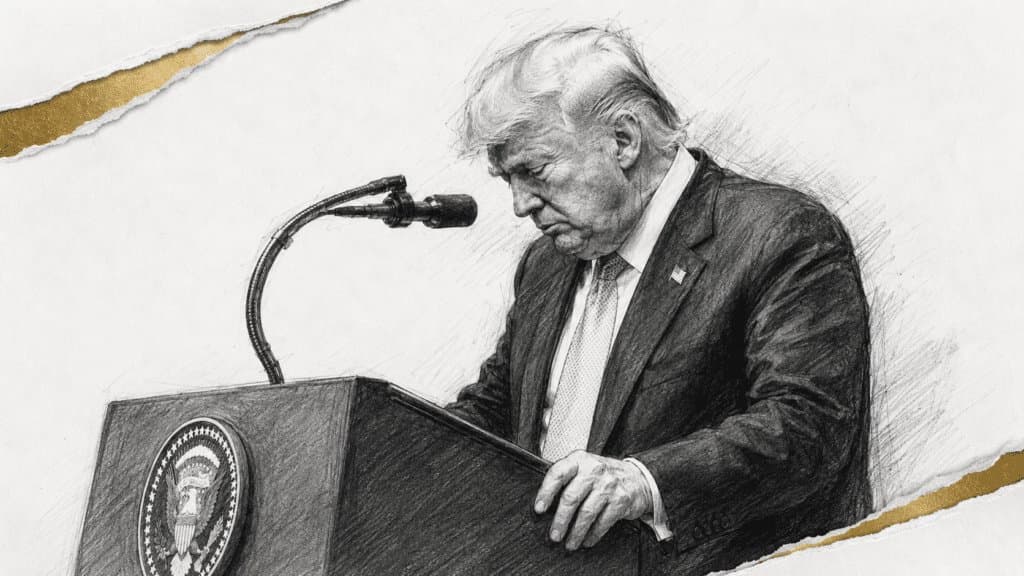
In a recent statement, former President Donald Trump urged the Senate to pass the Clarity Act, tying the legislative effort to his concerns regarding competition with China and advancements in artificial intelligence. This call to action comes shortly after the unexpected death of Senator Lindsey Graham, the bill's prominent supporter and chair of the Senate Banking Committee.
Trump characterized the Clarity Act as essential not only for the growth of the American crypto market but also as a strategic necessity to prevent foreign powers, particularly China, from seizing control of significant financial innovations. His assertion that ‘China, and many other countries, would like to take complete control of this major financial happening, as well as A.I.’ reflects a broader narrative that positions crypto regulation within the context of national security and economic competition.
Legislative Challenges Ahead
The timing of this push is sensitive, as lawmakers face an impending August 7 recess deadline. The Senate is currently working to integrate various committee proposals into a unified bill that has been expanded with over 70 pages of consumer protections. However, this ambitious plan requires 60 votes to pass, and Democratic support is contingent upon addressing ethical concerns regarding potential conflicts of interest for officials, including the president, during their term in office. Reports indicate that the White House is negotiating with Senate Democrats to establish a compromise that would facilitate the passage of the Clarity Act.
Implications for Crypto Regulation
If passed, the Clarity Act would significantly reform crypto oversight, dividing regulatory responsibilities between the SEC and the CFTC. This dual approach aims to mitigate the regulatory uncertainty that has historically pushed many projects to relocate outside the United States. The lobbying efforts from various industry players indicate a strong desire for clearer guidelines, which proponents believe will foster innovation while ensuring consumer protection.
- Key provisions of the Clarity Act include:
- Division of regulatory power between the SEC and CFTC.
- Enhanced consumer protections.
- Negotiations around ethics provisions to garner bipartisan support.
The potential passage of the Clarity Act symbolizes not only an effort to establish a more coherent regulatory framework for cryptocurrencies but also serves as a reflection of the heated geopolitical competition in technological advancements. As the legislative landscape evolves, stakeholders in the crypto market will be closely monitoring these developments.
This article is for informational purposes only and does not constitute financial advice.