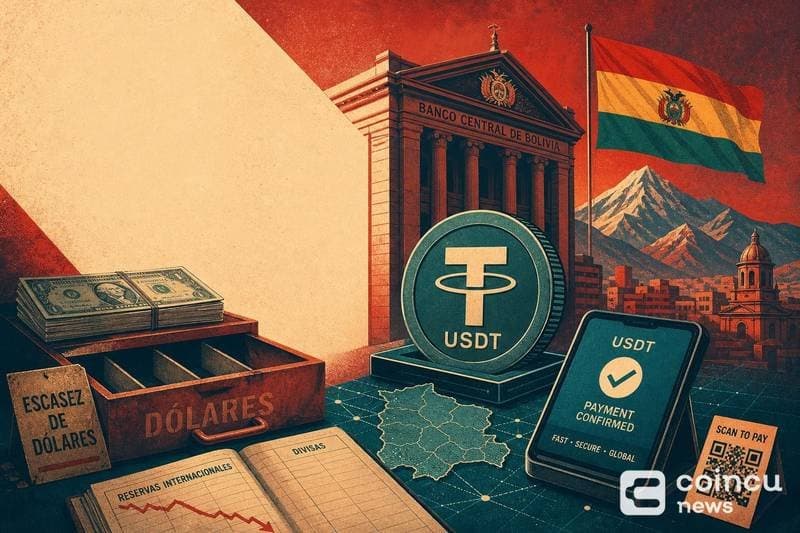
In light of a persistent shortage of U.S. dollars, Bolivia is contemplating the incorporation of Tether's USDT, a stablecoin pegged to the dollar, into its national payment systems. While this move is still in the exploratory phase, it has the potential to significantly enhance stablecoin adoption in Latin America if pursued further.
The Bolivian financial regulatory body, ASFI, is reportedly updating its regulatory framework for fintech, suggesting a growing willingness to engage with digital financial instruments. Though no concrete plans or timelines have been disclosed, the integration of USDT could range from bank-level transfers to merchant settlements, thus establishing a digital alternative in a country facing constraints on dollar liquidity.
The Role of USDT Amid Dollar Shortage
Bolivia’s economic situation has generated a specific interest in USDT. The shortage of physical dollars has posed challenges for importers and limited international transactions, pressing the need for a liquid and stable alternative. By utilizing USDT, Bolivia could effectively create a digital proxy that mimics the dollar's stability, easing the burden on various economic sectors. If USDT is successfully integrated into the financial system, it could enable smoother cross-border payments and possibly enhance trade dynamics.
Institutional Readiness and Emerging Patterns
Institutions in Bolivia are also starting to adapt to this potential shift. For instance, Banco BISA has introduced a product related to USDT called CriptoBISA, indicating that the necessary institutional infrastructure is developing to support stablecoin transactions. This proactive approach may serve as a foundation for further integration and innovation in the Bolivian financial landscape.
Despite this forward momentum, it is crucial to maintain a clear distinction between speculation and confirmed policy. Previous claims about Bolivia using Bitcoin for oil trades were discredited, underscoring the importance of verifying information before drawing conclusions about the country's cryptocurrency intentions.
This article is for informational purposes only and should not be considered financial advice.