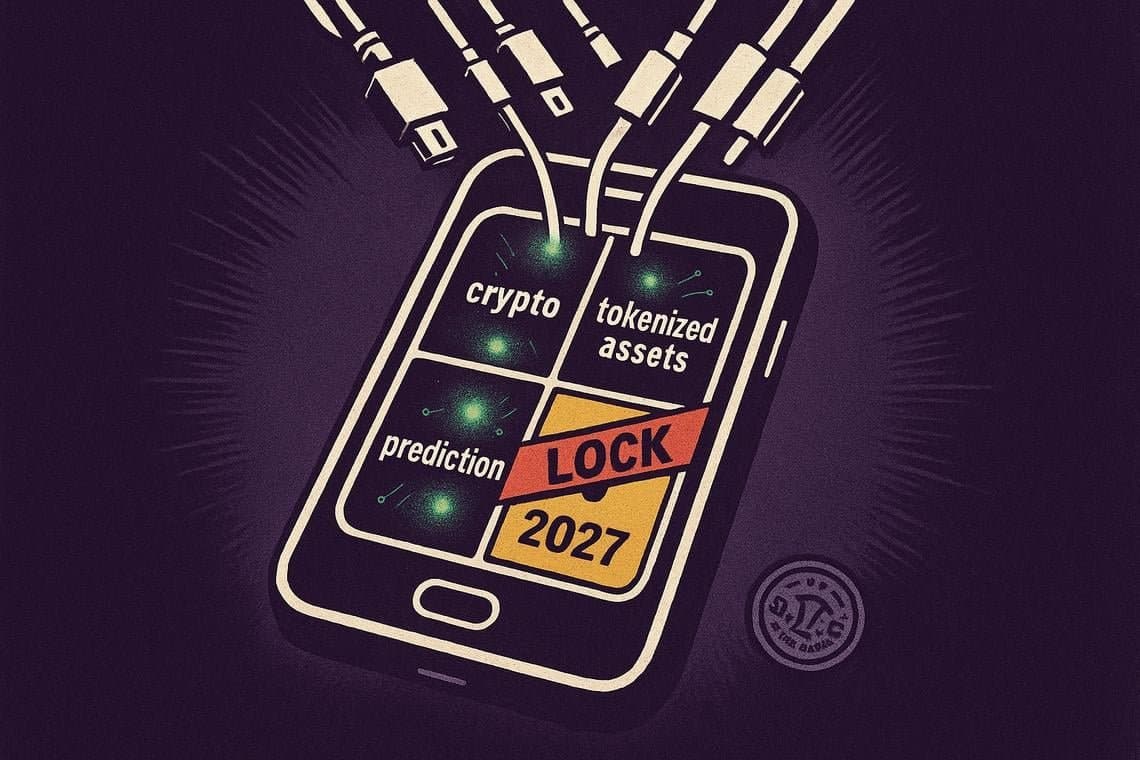
Meme coins are out. Protocol revenue is in. That is the core message behind the S&P Pantera Digital Asset Index, launched July 22, 2026, by S&P Dow Jones Indices and Pantera Capital, and the implications for how institutions allocate to crypto are worth unpacking carefully.
The index tracks 18 tokens selected through a rules-based methodology built on three measurable signals: protocol revenue, usage, and broader economic activity. Assets are ranked by their last two quarters of protocol revenue, with a minimum market cap of $500 million required for inclusion. The largest single holding is capped at 35%, and the index rebalances every quarter. At launch, the top positions are ether, binance coin, solana, tron, and hyperliquid. Bitcoin is absent. Cathy Clay, CEO of S&P Dow Jones Indices, explained the exclusion plainly: bitcoin is not a revenue-generating protocol.
Blockchain data provider Artemis backs the screening process, which means the selection criteria are anchored to on-chain metrics rather than price momentum or brand recognition. That is a deliberate departure from most existing crypto indexes, which tend to weight heavily toward assets that have already surged in value, creating a kind of circular self-reinforcement. The S&P Pantera framework breaks that loop by demanding that tokens demonstrate actual economic output before earning a spot.
What This Means for DeFi and Smart Contract Tokens
The methodology explicitly favors smart contract platforms and DeFi protocols, the exact segment of the market that generates protocol revenue at scale. Tokens like ether and solana earn their place not because they are popular but because the networks beneath them collect measurable fees. Hyperliquid's inclusion is notable: a perpetuals DEX with verifiable trading volume and fee revenue now sits in an S&P-branded index alongside assets with multi-year track records. That kind of institutional signal can shift how fund managers think about emerging DeFi infrastructure.
For investors already watching ether's price action around key technical levels, this index adds a separate, fundamental dimension to the ETH thesis. It is one thing for ETH to hold a chart level; it is another for S&P Dow Jones to certify it as a revenue-generating asset worthy of institutional benchmarking.
The Benchmark Effect and What Comes Next
S&P says the index may serve as the foundation for future investment products. That phrasing matters. When a recognized index provider signals that a benchmark could underpin ETFs, structured products, or managed accounts, asset managers start positioning ahead of those launches. Capital does not wait for the fund to exist; it anticipates the fund's demand.
The broader context here is a years-long push to make crypto legible to institutional compliance desks. Rules-based selection, quarterly rebalancing, revenue-floor requirements: these are design choices borrowed directly from how equity indexes like the S&P 500 operate. Applying that architecture to digital assets does not make crypto less volatile overnight, but it does give portfolio managers a defensible framework for inclusion, which is often the bureaucratic bottleneck that blocks allocation in the first place.
Tron's presence in the top holdings will raise eyebrows in some corners of the market, but on a pure revenue-generation basis the network's fee income is substantial. The index does not make moral judgments; it reads the ledger. That consistency is precisely what makes it useful as a benchmark and potentially uncomfortable for assets that rely more on narrative than on-chain cashflows.
This article is for informational purposes only and does not constitute financial advice. Crypto markets carry significant risk; always conduct your own research before making investment decisions.