Iran is eyeing two Pakistani ports as a workaround to the American blockade choking off its maritime trade. A senior Iranian official confirmed the plan on Tuesday, marking a practical shift rather than any escalation in the region's simmering tensions. The move reflects how quickly Tehran adapts when its economic arteries get squeezed.
The blockade squeeze
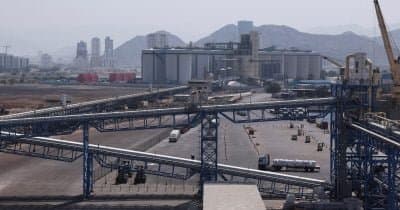
U.S. restrictions have essentially locked Iran out of its own ports. What was once routine shipping traffic has become nearly impossible. By routing goods through Pakistan instead, Iran sidesteps the blockade without confrontation. The ports involved aren't new discovery, but the formal exploration suggests Tehran's patience with waiting out sanctions has worn thin.
Pakistan benefits too. As a transit state caught between major powers, offering its infrastructure to Iran generates hard currency while maintaining plausible deniability with Washington. It's the kind of arrangement that quietly happens across dozens of emerging markets, with everyone understanding the game.
What markets are watching
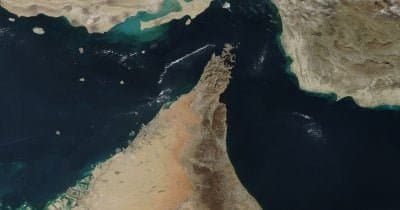
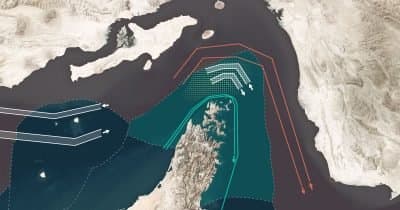
The Strait of Hormuz, that key chokepoint where roughly a third of global seaborne oil passes through, remains the focal point. This news suggests Iran isn't looking for military confrontation there but rather commercial alternatives. Market observers note the move appears consistent with gradual normalization of traffic flows, though the blockade itself isn't expected to ease immediately. Any formal Iran-Pakistan port agreement could shift pricing if confirmed, but the immediate impact hinges on whether the U.S. signals any response.
Geopolitical watchers should track whether Washington pushes back or tolerates the arrangement. The next few weeks will clarify whether this is a temporary survival tactic or a durable new pattern in regional trade.
This article is informational and does not constitute financial or investment advice. Market conditions and geopolitical situations can change rapidly.