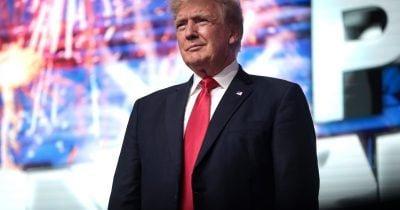
On July 10, President Trump declared the end of the ceasefire between the U.S. and Iran, a move that has sent shockwaves through cryptocurrency markets. As the geopolitical landscape shifts, investors are left grappling with the impact of rising tensions on digital assets.
This announcement has effectively voided the Islamabad Memorandum of Understanding, which was intended to halt military strikes and foster dialogue regarding Iran's nuclear ambitions. Instead, Trump's statement revealed that even in the absence of a formal ceasefire, discussions would continue, albeit under a cloud of uncertainty.
Implications for Cryptocurrency Markets
The dissolution of the Islamabad ceasefire prompted immediate selling pressure on major cryptocurrencies such as Bitcoin, Ethereum, and XRP. Prior to this announcement, traders had shown optimism as the ceasefire indicated a reduction in geopolitical risk, allowing these assets to appreciate in value. The return to military confrontations signals a risk-Off behavior within the markets.
In the backdrop of these escalating tensions, the Strait of Hormuz, a crucial passageway for about 20% of the world’s oil, becomes a central concern. The region has recently witnessed increased military activity, including U.S. airstrikes and Iranian attacks on vessels. Consequently, crypto assets are subjected to the ripple effects of oil price fluctuations as they correlate with inflation and risk perception.
Strategic Considerations for Traders
Historically, spikes in geopolitical unrest in oil-producing regions result in three sequential events:
- Rising oil prices
- Strengthening of the U.S. dollar
- Decline in cryptocurrency values
A stronger dollar typically makes dollar-denominated assets like Bitcoin more expensive for international buyers, constraining their market potential. Furthermore, increasing oil prices can exacerbate inflationary concerns, thereby dampening the likelihood of favorable monetary policy shifts like interest rate cuts.
As this situation unfolds, market participants should closely monitor the progress of ongoing