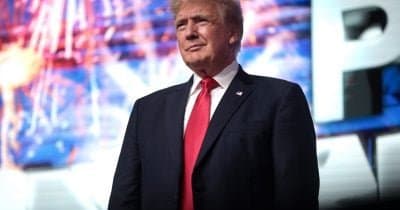
The recent declaration by U.S. Ambassador to NATO, Matthew Whitaker, that President Donald Trump stands ready to deploy 'overwhelming force' against Iran signals a potentially significant escalation in U.S.-Iran tensions. This announcement comes in the wake of renewed military engagements, particularly after Iranian provocations in the Strait of Hormuz prompted retaliatory strikes from the U.S. It reflects an alarming trend where aggressive rhetoric could undermine any remaining avenues for diplomatic reconciliation.
The context of these developments is crucial. The statement follows accusations of an alleged assassination plot against President Trump, purportedly shared by Israeli intelligence, indicating a precarious situation that could drive the U.S. further into military conflict. Indeed, the deterioration of previous ceasefire agreements earlier in 2026 has contributed to a re-escalation of hostilities, suggesting that traditional diplomatic approaches may be faltering.
Implications for U.S.-Iran Relations
The assertion of military readiness poses several implications for the future of U.S.-Iran relations as well as potential global market responses. Key signals from prediction markets reveal a marked decrease in the probabilities attached to a U.S.-Iran deal that would include critical reconstruction funding. The market movements imply a growing consensus on the diminishing odds of achieving a diplomatic resolution, accentuating uncertainties around the prospect of peace talks.
Market Reactions and Future Outlook
As military tensions rise, the focus on potential outcomes could have significant ramifications for global investment sentiment. Investors and market analysts should keep a close eye on subsequent military actions and communications from both the U.S. and Iranian governments, as even minor developments could alter market dynamics considerably. The possibility of escalation or de-escalation will likely be a pivotal factor in shaping market perceptions and negotiations in the months leading up to any proposed agreements in 2026.
This is an informational article and should not be considered financial advice.