Kaio, a tokenization protocol, just went live with Mubadala Capital, the investment arm of Abu Dhabi's sovereign wealth fund. The first transaction moved roughly $75 million across three public blockchains: Base, Solana, and Sui. Coinbase has already committed to holding a stake in the fund itself, signaling institutional confidence in the infrastructure.
The milestone represents a shift in how mega-capital players view blockchain. For years, sovereign wealth funds treated crypto and tokenization as either fringe experiments or risks to avoid. Mubadala's move suggests the calculus has changed. The fund is betting that real-world assets on public blockchains can operate at scale while maintaining strict regulatory controls.
How Kaio enforces rules onchain
The trickiest part of bringing traditional finance onto public blockchains is enforcement. Kaio embeds jurisdictional and KYC checks directly into its smart contract protocol. That means before a transaction settles, the chain verifies the participant's identity and location. No workarounds. No backdoors. The rules live in code.
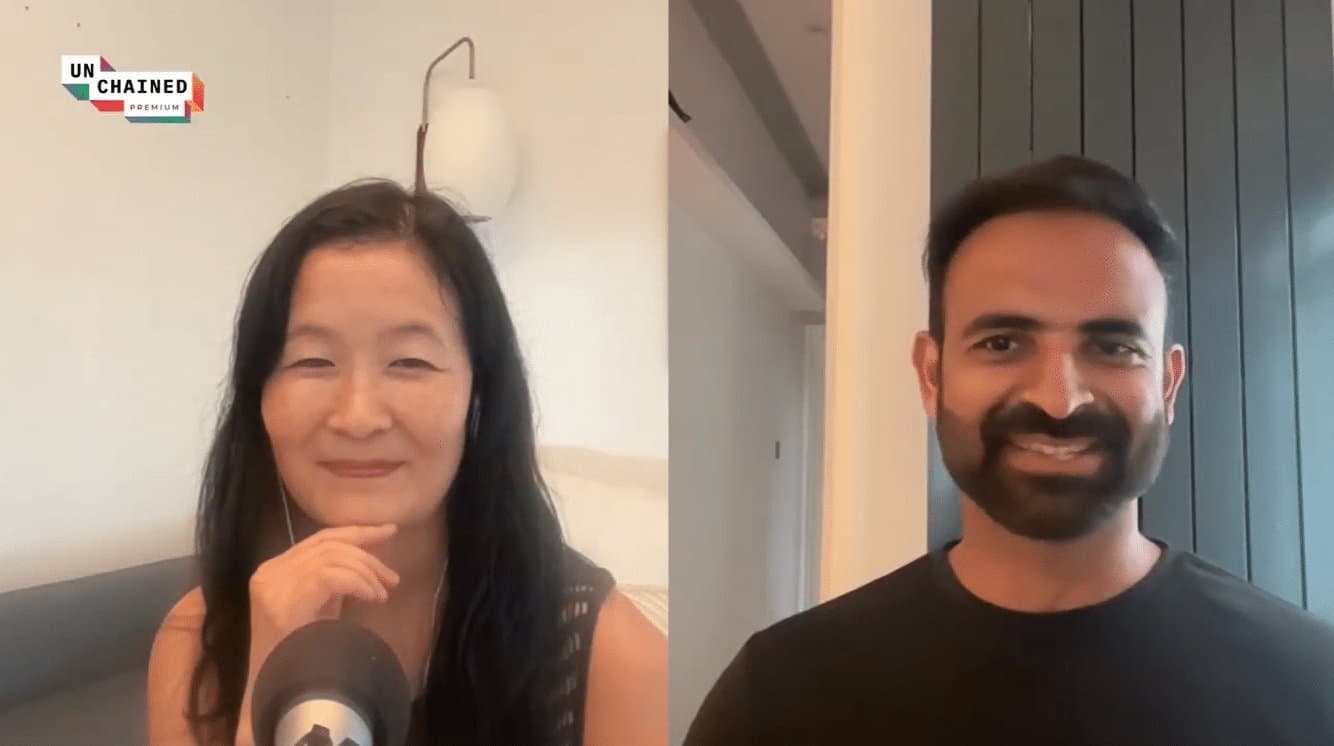
Shrey Rastogi, Kaio's CEO and co-founder, traces his entry into crypto to 2016, when a $30 remittance fee hit him like a punch. He later built tokenized infrastructure at Brevan Howard, one of crypto's earliest institutional players. His conviction: public blockchains beat private networks because they can't be shut down or censored by any single actor.
The tokenized real-world assets market stands at roughly $26 billion today. That's pocket change next to the $12 trillion to $16 trillion in traditional assets that could theoretically migrate onchain over the next decade. Rastogi sees the next couple of years reshaping capital markets entirely. Settlement times collapse. Intermediaries disappear. Liquidity pools globally instead of sitting in regional silos.
What matters now is whether other major allocators follow Mubadala's lead. One $75 million transaction proves the plumbing works. Thousands of them prove the market.
This article is informational only and does not constitute financial advice. Tokenized assets and blockchain infrastructure remain experimental, and regulatory frameworks continue to evolve globally.