The current geopolitical climate surrounding the U.S.-Iran relationship has raised significant concerns regarding the balance of power and stability in the Middle East. Analyst Aaron David Miller highlights the precarious situation, emphasizing that Iran's willingness to endure conflict may exceed that of the United States, which could lead to unpredictable consequences for the region.
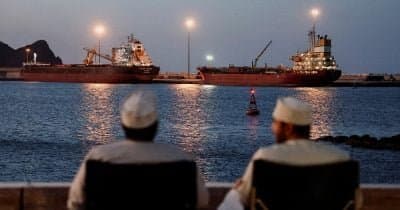
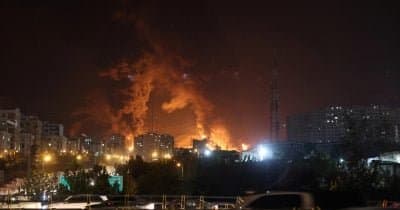
The unresolved conflict between the U.S., Israel, and Iran, which began earlier this year, continues to evolve under a fragile ceasefire. Iran's closure of the Strait of Hormuz is of particular concern, as this vital shipping route plays a crucial role in global oil markets. The accompanying asymmetric attacks by Iran only heighten tensions and uncertainty, directly impacting both regional and international stability.
Market Confidence and Future Negotiations
Recent market trends indicate a declining confidence among investors regarding the potential for the U.S.-Iran deal, particularly concerning proposed Iran Reconstruction Funding. As of now, the markets reflect skepticism about any resolution being reached by the end of 2026. This lack of faith in diplomatic efforts may have severe implications for energy prices and the broader economic landscape.
As developments continue, stakeholders should closely monitor key players in the negotiations, including figures like President Donald Trump and Iranian Foreign Minister Javad Zarif. Any announcements regarding the potential reopening of the Strait of Hormuz or changes in military strategy could drastically alter market perceptions and dynamics. Additionally, statements from third-party mediators may provide clarity and shape investor sentiment.
Future Implications for Global Stability
The ongoing conflict underscores a critical uncertainty in global markets, where the interplay between economic interests and geopolitical realities becomes increasingly complex. The potential for escalating conflict remains high, which could destabilize not only the region but also provoke broader repercussions across international markets. Investors must remain vigilant and informed as this situation develops, as any sudden changes or escalations could lead to sharp market reactions. This material is informational and does not constitute financial advice.