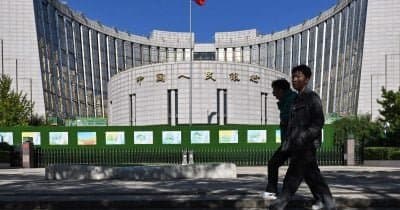
The People’s Bank of China injected 398.5 billion yuan, about $55 billion, into the financial system through 7-day reverse repurchase agreements. This operation underlines the central bank’s commitment to sustaining liquidity amid growing economic uncertainties. The 7-day reverse repo rate remains fixed at 1.40%, a level unchanged since May 2025.
Decoding China’s Liquidity Strategy
Reverse repos function as short-term cash loans by the central bank to commercial banks, secured by government bonds. By providing cash this way, the PBOC manages day-to-day liquidity with precision while avoiding direct market interventions. Earlier injections reinforce this approach: on June 23, it deployed 662.5 billion yuan, followed by 236.5 billion yuan on July 14. Adding to the toolkit, the PBOC launched an overnight reverse repo facility at 1.25% on June 29, injecting an additional 300 billion yuan to better regulate intraday cash flows.
The steady 1.40% rate, unaltered for over a year, signals that the PBOC is prioritizing stability over tightening monetary policy. Unlike rate cuts aimed at stimulating growth, the sustained level suggests a cautious stance toward economic softness without aggressive easing.
Implications for Crypto and Broader Markets
Despite the size of these liquidity operations, no direct effects on cryptocurrencies or stablecoins have been observed. The PBOC’s actions do not indicate a pivot toward digital assets or tokenized financial instruments. Instead, this series of liquidity provisions highlights a central bank focused on maintaining accommodative conditions to support economic activity.
For investors, this means monetary policy will likely remain favorable for risk assets in China, providing a buffer against external shocks. The continued emphasis on liquidity injections reflects a reluctance to withdraw support prematurely, which could otherwise exacerbate financial stress.
This material is informational and not financial advice.