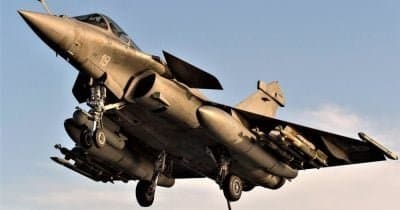
French President Emmanuel Macron's recent announcement regarding Ukraine's plans to acquire 16 Rafale fighter jets and SAMP/T NG air defense systems marks a significant shift in the military landscape of Eastern Europe. This move is not just about enhancing Ukraine's aerial capabilities; it is a strategic response to the ongoing threats posed by Russia, particularly in contested regions such as Kostyantynivka.
The procurement of the Rafale jets, which are equipped to carry advanced munitions like Meteor and SCALP missiles, signifies a leap in Ukraine's defense strategy. This aligns with the long-term military cooperation framework established in a 10-year agreement signed in late 2025, indicating Ukraine's commitment to a structured, nuanced approach to its defense. With these jets, Ukraine is not merely increasing its firepower; it is positioning itself to counter both aerial and ground threats more effectively.
Furthermore, the introduction of the SAMP/T NG systems, designed for intercepting ballistic missiles, positions Ukraine as the first user of this advanced Franco-Italian technology in combat. Such systems could drastically improve Ukraine's defensive capabilities. As military dynamics evolve, having access to cutting-edge technology can deter potential aggressors, thereby altering the calculations for military engagement in the region. This could lead to a decrease in the perceived likelihood of Russian advances, encouraging a more stable environment.
Market observers should closely monitor the unfolding of this procurement process, as further details on implementation timelines and scope could significantly influence perceptions of Ukraine's military readiness. Additionally, any enhancements in military activity around Kostyantynivka could provide insights into how these new acquisitions are translating into operational effectiveness.
In a broader context, this development is a reflection of Ukraine's ongoing need to bolster its defenses amid heightened tensions. The synergy between French military technology and Ukrainian operational requirements could inspire similar collaborations with other nations in the future, further reshaping security alliances in the region.
This material is informational and should not be considered financial advice.