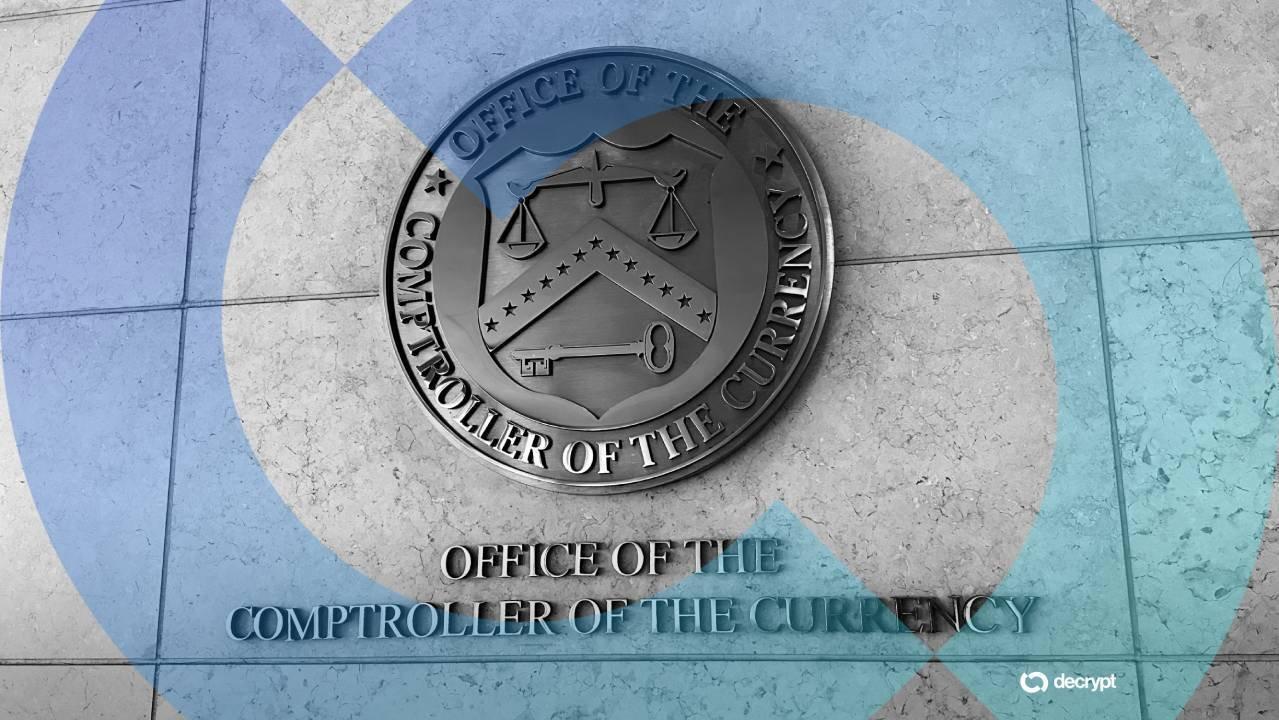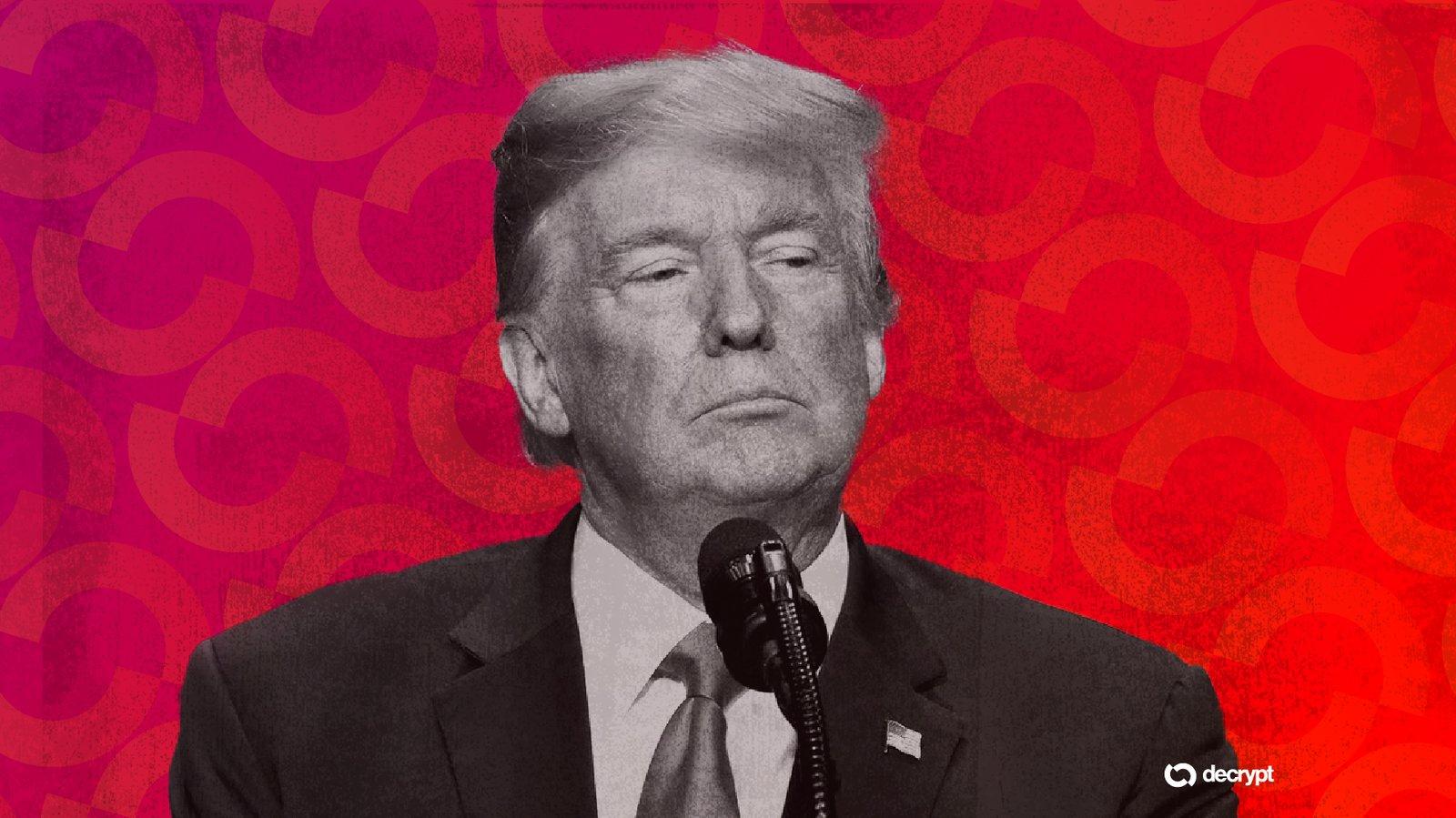
The political gridlock surrounding the 21st Century ROAD to Housing Act presents significant implications for both the housing market and the cryptocurrency landscape. With President Trump refusing to sign a bipartisan housing reform bill, he has held hostage provisions that could profoundly affect the future of central bank digital currencies (CBDCs) in the United States.
The Housing Bill Overview
The 21st Century ROAD to Housing Act received overwhelming support in Congress, passing with a vote of 358-32 in the House and 85-5 in the Senate. This legislation is designed to enhance housing supply and affordability without imposing new federal spending. Hidden within this substantial bill is a regulatory provision that imposes a four-year ban on the development of US CBDCs, a significant political win for the crypto community that has long opposed federal digital currency initiatives.
Political Maneuvering and Crypto Implications
Trump's refusal to sign the bill stems from unrelated demands for voter ID legislation a move that complicates matters and puts the entire housing reform package, along with its crypto provisions, at risk. If he does not sign or veto the legislation within the constitutionally mandated ten-day window, it will automatically become law. In either scenario, the result would allow for a four-year moratorium on CBDCs, thus effectively sidelining the Federal Reserve’s digital currency ambitions until after the next presidential election.
This delay could provide substantial room for the stablecoin market, where projects like Tether and Circle's USDC have rapidly gained relevance as critical components of the crypto ecosystem. The looming possibility of a government-issued digital currency had posed a significant threat to these existing stablecoins, but the housing bill's provision effectively alleviates that pressure in the near term. With a four-year window to consolidate and expand their offerings, stablecoin operators can foster further development of decentralized finance (DeFi) applications and trading.
However, it is essential to understand that Trump’s current position reflects a tactical maneuver rather than a stance against the housing bill itself; the White House had previously indicated support for its passage. This makes the current standoff all the more perplexing and highlights the unpredictable nature of political negotiations in the U.S. In the grander scheme, whether he eventually signs the bill or it passes without his endorsement, the regulatory landscape for CBDCs may very well be shaped during this crucial time.
This material is for informational purposes only and should not be considered financial advice.