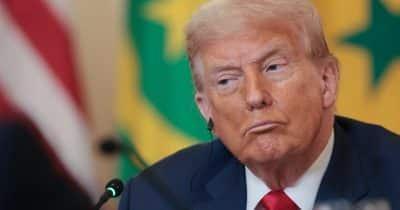
The ongoing confrontation between former President Donald Trump and the Federal Reserve continues to reverberate through financial markets, stirring uncertainty on Wall Street while potentially benefiting the less tethered cryptocurrency space. This tumultuous relationship is pivotal, as it encapsulates the broader complexities of economic policy and investor sentiment.
Why This Turmoil Matters for Investors
The conflict over interest rate policies is becoming more pronounced. Trump has consistently urged the Fed to reduce rates to foster economic growth, a request that central bank officials, including outgoing Chair Jerome Powell, have been reluctant to fulfill. The delicate balancing act of managing inflation alongside employment is critical, and any perceived political meddling could lead to deeper market repercussions.
- In April 2025, when tensions peaked, the Dow Jones Industrial Average plummeted by nearly 970 points in a single day.
- Post-Powell, incoming Chair Kevin Warsh is expected to be more amenable to the administration's desire for lower rates.
- During Powell's leadership, Bitcoin prices tended to rise by 1-2% whenever he resisted Trump's political pressures.
Potential Developments in Crypto Access
The implications for cryptocurrency are particularly noteworthy. Trump's recent initiative to review the access of crypto and fintech firms to Federal Reserve payment services represents a critical juncture. If the findings tilt in favor of these digital asset companies, it could unleash substantial institutional capital into the cryptocurrency market, which has historically been underrepresented in mainstream finance.
Moreover, the economic landscape shaped by rate decisions affects the risk appetite that investors harbor towards various asset classes. An anticipated political-driven decrease in rates might initially stimulate a bullish sentiment for riskier investments, including cryptocurrencies.
Looking Ahead: Market Dynamics and Investor Vigilance
While immediate bullish reactions could emerge, the second-order effects involving potential inflation and risks to dollar stability are scenarios that investors must navigate carefully. The integrity of the Federal Reserve as a non-political entity is at stake, and its perceived politicization could impact investor trust, which would be detrimental in the long run.
As market sentiment evolves, observers should watch the developments around Warsh's leadership and the outcome of the Fed's review on crypto firms. Any decisions made could have profound consequences not only for traditional markets like Wall Street but also for the evolving world of digital assets.
This material is for informational purposes only and does not constitute financial advice.