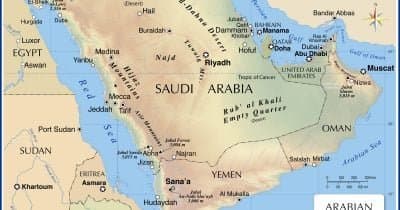
The U.S. military's recent initiatives to neutralize Iranian military capabilities are significantly impacting the dynamics of oil supply from the Arabian Gulf. As tensions escalate due to the ongoing U.S.-Israeli conflict with Iran, the implications for global oil markets are becoming increasingly pronounced.
In a key statement, Secretary Wright emphasized the military's commitment to ensuring a steady flow of oil from this crucial region. This commitment comes as the Strait of Hormuz, a major chokepoint for international oil trade, experiences disruptions; thus, the reliance on U.S. military intervention highlights how fragile the current geopolitical landscape remains.
Market Reactions and Shifting Probabilities
Market analysts are reacting to these developments with a nuanced view of oil pricing. In light of the U.S. military's escalated operations, the probability of West Texas Intermediate (WTI) crude oil reaching $90 per barrel in July now stands at 32.8%, a significant increase from earlier assessments. This recovery trajectory of oil exports signals a tentative stabilization in the region's supply, yet it clearly remains below pre-conflict levels.
Moreover, the sentiments in the market reflect cautious optimism, alongside a decreased expectation (to just 1.8%) that the Strait of Hormuz will return to normal traffic levels by the end of July. This disparity illustrates an evolving fear among investors about the continuing instability in the region, which could adversely affect their trading strategies.
The outlook for the oil market is intricate, with various factors at play that could either stabilize or further complicate supply dynamics. Close attention should be paid to forthcoming announcements from the U.S. military or statements from the Iranian government, which could further shape perceptions around security in oil flow. In particular, developments such as increased oil exports from neighboring countries like Saudi Arabia will be critical to watch, as will insights from organizations such as OPEC+ and the International Energy Agency.
This piece serves purely for informational purposes and is not a financial recommendation.