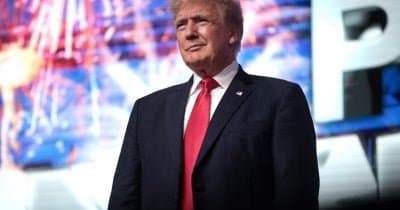
Donald Trump's recent decision to withdraw proposed tolls for non-Iranian cargo through the Strait of Hormuz reflects a significant shift in U.S. foreign policy towards Iran. Originally, the suggestion of a 20% toll was met with resistance not only from various advisers within the Trump administration, including Secretary of State Marco Rubio, but also from international partners concerned about the potential for escalated conflict.
Implications for Military Engagement
The abandonment of tolls is widely interpreted as a signal of de-escalation in U.S.-Iran relations. This decision reduces the perceived likelihood of a U.S. invasion of Iran, focusing diplomatic efforts on negotiation rather than military confrontation. Markets are responding positively, indicating that the chances of aggressive military action by the U.S. are diminishing.
Market Reactions and Future Watchpoints
Investors are advised to monitor further diplomatic movements between the U.S. and Iran. Successful negotiations could lead to stability in the region, which is crucial for global oil markets that heavily rely on the Strait of Hormuz for transportation. Indicators to watch include public statements from high-ranking officials like Rubio or Trump that may hint at ongoing diplomatic initiatives.
- Potential decrease in military presence and engagement in the region
- Impact on energy prices as stability increases
- Market expectations regarding future U.S.-Iran diplomatic efforts
As events unfold, any military activities that contradict the current trend of de-escalation could rapidly shift market sentiments and expectations. The evolving situation around the Strait of Hormuz is indicative of a broader strategy where economic considerations overshadow immediate military solutions.This article is for informational purposes only and does not constitute financial advice.