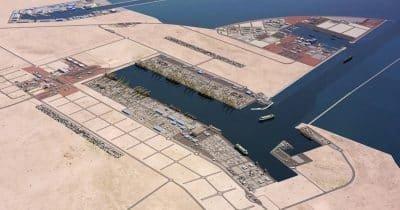
The recent decision by Qatar to lift its restrictions on all maritime activities marks a significant turnaround in the geopolitical climate of the Gulf region. This policy reversal, which allows non-commercial vessels back into Qatar's waters, appears to signal a temporary easing of tensions that have historically rattled global energy markets.
Implications for Global Energy Supply
As one of the world’s largest exporters of liquefied natural gas (LNG), Qatar’s maritime routes are crucial for global energy supply chains. The region, which experiences ongoing security challenges, especially regarding Iran, has seen fluctuations in risk sentiment across various markets. By reinstating full maritime operations, Qatar is not only enhancing its domestic economic stability but also reassuring the international community about the reliability of energy exports through its waters.
Market Sentiment and Risk Assessment
The quick shift in Qatar’s maritime policy reflects broader geopolitical dynamics that investors across various sectors including energy and digital assets often monitor closely. Although Qatar has a restrictive stance on cryptocurrencies, the easing of maritime tensions could shift perceptions of security risks in the Gulf region. This is particularly relevant as regional security dynamics have historically influenced market behavior.
Broader Economic Consequences
With Qatar now allowing full maritime access, a ripple effect could be expected in regional trade and economic exchanges. While there is currently no direct connection between Qatar’s maritime policies and the crypto market due to the country’s strict regulations banning most virtual asset services since 2020 the renewed stability in logistics may enhance investor confidence in the overall Middle East region, traditionally seen as volatile. As investors reassess their exposure to regional risks, this stabilization may indirectly ease some apprehension around potential disruptions in global markets that are influenced by Gulf tensions.
In summary, Qatar's decision is more than a local policy change; it has the potential to restore confidence in energy supply chains that are essential for both traditional and emerging markets. While the immediate implications for the cryptocurrency market may be muted, any sign of stability in the Gulf should not be overlooked by investors looking at the broader picture of global finance and trade.