The recent announcement of resumed maritime trade between Iran and Qatar marks a critical turning point in the geopolitical landscape of the Gulf region. After a five-month hiatus due to disruptions caused by the 2026 Iran war, this development is not only significant for the two nations involved but also holds broader implications for regional energy logistics and market dynamics.
De-escalation of Tensions
The resumption of trade activities can be interpreted as a sign of de-escalation in bilateral relations, which have been strained following the conflict that included the temporary closure of essential ports and airspace. Improved trade relations could foster a more cooperative atmosphere in the Gulf, essential for economic stability and security in a region sensitive to disruptions. This aligns with ongoing indirect talks between the US and Iran, notably in Doha, aimed at reopening the pivotal Strait of Hormuz.
Market Implications
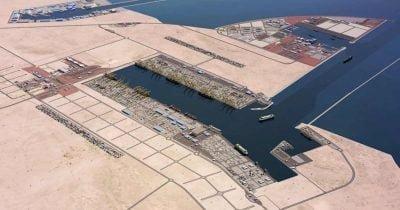
From a market perspective, the normalization of traffic through the Strait of Hormuz is becoming increasingly probable. Current pricing indicates a growing confidence in the likelihood of stabilized shipping conditions. With Qatar's Al Ruwais port re-opening to Iranian goods, the expected upsurge in trade activity could lead to enhanced shipping routes and more reliable supply chains for energy and goods.
Future Developments
Given the intricate nature of diplomatic negotiations in the region, investors and stakeholders should closely monitor upcoming communications from key players, particularly the US Navy and Iranian authorities. Confirmation of increased shipping activities or formal agreements on de-escalation would serve as strong indicators of stabilizing conditions in the Gulf. The implications for energy markets could be significant, as any advancement in maritime security may directly affect oil pricing and the overall market sentiment towards Gulf-related investments.
In conclusion, the renewal of maritime trade between Iran and Qatar could signal a pathway toward greater regional stability, enhancing the prospects for energy logistics and potentially benefiting investors looking for opportunities in these evolving markets. As the situation develops, the overarching narrative will hinge on the outcomes of diplomacy and the ability of regional players to navigate their interests in a complex geopolitical environment.