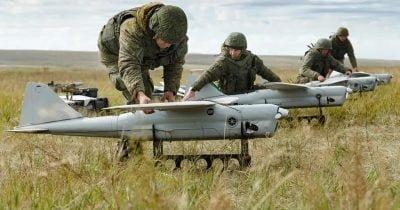
The recent surge in aerial assaults launched by Russia a staggering 2,200 drones, over 1,730 guided bombs, and 106 missiles within a single week has escalated the ongoing conflict in Ukraine to alarming levels. This situation, as reported by the Kyiv Post, is indicative of Russia’s strategy to intensify pressure on Ukraine’s air defenses and critical infrastructure.
The bombardment has not only led to devastating civilian casualties, including over 30 lives lost in a single attack on July 2, but it has also inflicted substantial damage to more than 130 buildings in Kyiv. Such acts are not mere displays of military might; they are calculated moves that suggest a reorientation of tactics designed to undermine Ukrainian operational capabilities.
Impact on Ukraine's Military Operations
This escalation in Russian aggression clearly poses increased operational challenges for Ukrainian forces. Analysts are starting to question whether Ukraine will maintain its momentum in reclaiming occupied territories, particularly Crimea. Current market pricing reflects a potential decrease in confidence regarding Ukraine's chances of regaining this crucial territory by the end of 2026, as shown by recent odds adjustments.
The sustained use of drones and precision-guided munitions by Russia hints at a shift towards a prolonged campaign aimed at degrading Ukrainian military infrastructure. This strategy could alter the dynamics of warfare, compelling Ukraine to reassess its military posture and defenses.
Looking Ahead: Key Indicators to Watch
As the conflict continues to evolve, several key factors warrant close monitoring. Reports from the Institute for the Study of War (ISW) regarding territorial changes in Crimea will be indicative of the situation on the ground. The success, or lack thereof, of any Ukrainian counteroffensives will also be telling of their strategic capabilities.
- Monitor market pricing changes related to Crimea's recapture these may reflect shifting perceptions about the conflict's trajectory.
- Observe any developments in international diplomatic efforts that might influence military strategies from both Russia and Ukraine.
The implications of these assessments extend beyond the battlefield; they could significantly impact investor sentiment and market reactions, especially in sectors closely tied to geopolitical stability.