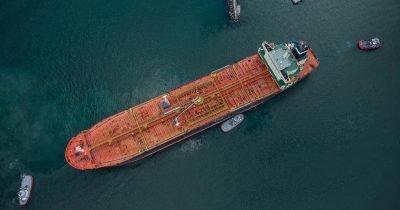
The recent incident involving a tanker catching fire after being struck by a projectile near the Strait of Hormuz raises significant concerns regarding maritime security in a region critical to global oil supplies. The attack, reportedly linked to escalated U.S. Iran tensions, underscores the fragility of this vital shipping lane through which approximately 20% of the world's oil exports pass.
Why This Incident Matters
This particular event amplifies ongoing worries about the stability of shipping routes essential for energy supplies. As the U.S. and Iran spar politically and militarily over control of the Strait, the potential for disruptions in oil transportation has significant implications not only for regional actors but also for global investors and markets
- The probability of Iran effectively targeting shipping has risen substantially, with current assessments indicating a 39.8% likelihood of disruptions on July 7.
- Previous attacks on commercial vessels have already forced many ships to anchor nearby, avoiding the strait entirely, which can exacerbate supply chain issues.
- This incident is part of a broader pattern of military actions and threats from Iran aimed at asserting dominance over the Strait of Hormuz.
Looking Ahead: Market Reactions and Future Risks
As the situation evolves, market observers will be vigilant about further military maneuvers from Iran, particularly those involving the Iranian Revolutionary Guard Corps. The response of the U.S. Department of Defense will also be crucial in understanding whether military engagement escalates or if diplomatic efforts can mitigate tensions.
Upcoming reports and satellite imagery will be critical to gauge the extent of security challenges ahead. Investors should prepare for potential volatility in oil prices and shipping rates as fears mount over access through the key strait, similar to previous incidents that impacted regional security and energy supply dynamics. For insights into how global markets react to geopolitical events, readers can also refer to JPMorgan's Yuan Position Shift and the Impact of Fed Minutes on Markets.
This material is for informational purposes only and does not constitute financial advice.