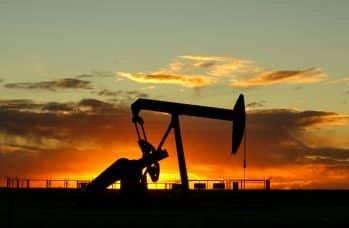
The United Arab Emirates (UAE) has recently reported a significant increase in its crude oil production, nearing record levels after its exit from the Organization of the Petroleum Exporting Countries (OPEC). This development is crucial as it coincides with a marked rise in oil purchases from China, indicating a potential shift in global oil market dynamics. By increasing production to approximately 3.8 million barrels per day, the UAE is strategically positioning itself to take advantage of the higher demand from one of the world's largest consumers of crude oil.
Why This Development Matters
The UAE's departure from OPEC and subsequent production surge suggest a calculated move to escape restrictive production quotas, allowing for greater market flexibility. This not only positions the UAE to capitalize on immediate demand but also reflects a larger trend where national oil policies are adjusted in response to global market conditions. Such changes may signal a broader reconfiguration within the oil market as countries reconsider their production strategies in the wake of fluctuating global demands.
- The UAE is currently producing nearly 3.8 million barrels per day, the highest since April 2020.
- Chinese demand for UAE crude oil is growing, reflecting strengthened economic ties.
- Market probabilities suggest only a 2.6% chance of crude oil prices reaching all-time highs by September 30, increasing to 7.5% by year-end.
This increase in production, in tandem with rising Chinese demand, signifies a strengthening economic partnership that could impact global oil supply pressures. Market analysts are closely watching these developments, indicating that any sustained increase in demand could lead to upward pricing pressures, particularly if geopolitical tensions escalate in key oil-producing regions.
Looking Ahead: Key Factors Influencing the Market
As market participants continue to assess these changes, several key actors and factors will be pivotal in shaping the future landscape of crude oil prices. Monitoring the responses from OPEC’s Secretary General, Mohammad Sanusi Barkindo, and the International Energy Agency’s Executive Director, Fatih Birol, will provide insight into how these shifts are perceived on a global scale. Additionally, geopolitical developments in the Middle East, alongside fluctuations in global oil demand, will remain critical areas of focus. Observing how these elements evolve will be crucial for investors and analysts looking to anticipate market trends.
This article is for informational purposes only and does not constitute financial advice.