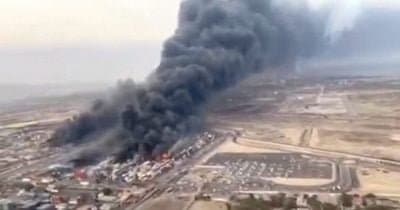
In a striking example of geopolitical tension, Bandar Abbas has experienced three explosions due to US military strikes, specifically aimed at curtailing Iranian threats to commercial shipping. This is particularly alarming, as Bandar Abbas is not just any port; it is a critical junction at the entrance to the Strait of Hormuz, through which nearly one-fifth of the world's oil supply moves.
Despite the severity of these events, Bitcoin's price remains notably stable around $63,800, with only a minor decline of about 0.3%. This behavior stands in stark contrast to historical patterns following similar incidents. For instance, previous explosions earlier this year triggered immediate volatility across crypto markets, prompting significant price fluctuations as traders reacted to perceived risks.
Understanding the Current Calm
What makes this situation even more intriguing is the seemingly apathetic response of the crypto markets amidst escalating military actions that typically lead to a flight to safety. In past occurrences near Bandar Abbas, the threat of military action would often lead to spikes in volatility, indicating a more conventional risk-off sentiment among traders. The current lack of movement raises questions: is the market becoming desensitized to geopolitical conflicts, or are there other factors at play?
While crypto investors may welcome stability, they should remain cautious about potential ripple effects. The closure of the Strait of Hormuz, as declared by Iran, could lead to an increase in crude oil prices, which historically adds a premium of 5-15% within days. Such fluctuations could influence monetary policy expectations, potentially creating headwinds for Bitcoin and other crypto assets.
Potential Market Consequences
The implications for the broader markets are significant. If oil prices rise sharply due to escalated tensions, it could lead to inflationary pressures that might affect the Federal Reserve's monetary policy stance. In turn, this could trigger a re-evaluation of Bitcoin's position as an inflation hedge, as investor sentiment shifts in response to macroeconomic changes.
The current situation serves as a reminder of the interconnectedness of global events and their potential impact on digital assets. As investors assess their strategies, they should consider the underlying geopolitical climate and its possible effects on market dynamics.
This material is for informational purposes only and should not be considered financial advice.