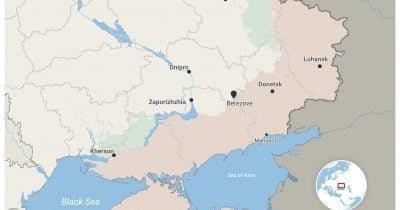
The ongoing military actions in Ukraine’s Dnipropetrovsk region have resulted in the tragic deaths of three civilians, underscoring the intensifying nature of the conflict. According to a report from the Kyiv Post, these attacks are part of a sustained Russian strategy utilizing drones and missiles aimed at vital infrastructure. This escalation is not merely a series of isolated incidents; it forms a part of Russia's broader campaign to assert control over strategically significant areas in eastern Ukraine.
The Dnipropetrovsk region, known for its industrial and logistical importance, has become a focal point in the Russo-Ukrainian War. The recent fatalities highlight the severe human cost of the conflict and reflect the high-intensity warfare that continues to plague the area. As the situation develops, it is crucial to consider the potential implications of these actions on the market and geopolitical stability.
Market Sentiment and Predictions
Current market behavior suggests that these attacks may be reinforcing expectations regarding Russian military advances, particularly towards the city of Sloviansk. Currently, there is a 21% probability priced in that Russia could enter Sloviansk by December 31, 2026. Additionally, military movements in Dnipropetrovsk align with expectations of increased efforts to capture Donetsk Oblast, where the market estimates a 6% likelihood of Russian control by the end of 2026.
Furthermore, the focus on Sloviansk is becoming more pronounced, with market predictions indicating a 7.5% chance of Russian control over the city by the end of the year. This evolving dynamic highlights a possible shift in Russian strategy, which could have significant ramifications for the conflict and regional stability.
Monitoring Developments
As observers of this ongoing conflict, it is essential to closely monitor various factors that could influence the situation on the ground. Key elements to watch include:
- Russian military movements and official announcements regarding territorial advances.
- The response of Ukrainian military forces and their resistance to these attacks.
- International diplomatic interventions and shifts in NATO's support for Ukraine.
- Changes in international sanctions against Russia that might affect military operations.
These factors could considerably impact market perceptions, leading to increased volatility and changing probabilities in the market related to territorial control and military outcomes. Understanding these dynamics will be critical for investors and market analysts alike.
This content is for informational purposes only and should not be considered financial advice.