The recent legal challenges faced by Kalshi, a notable player in the prediction market sector, raise significant questions about the future of this emerging industry in the U.S. The ongoing disputes with state regulators reflect a deeper struggle over the definition of prediction markets are they a form of gambling or a legitimate financial derivative?
Legal Landscape for Prediction Markets
As Kalshi navigates a complex legal landscape, it finds itself embroiled in multiple court cases across several states, including Nevada, Michigan, and Minnesota. In Nevada, Kalshi recently lost a court bid to alleviate restrictions on its trading platform, with justices expressing skepticism about the company's emergency motions. Concurrently in Michigan, the company was issued a temporary restraining order preventing it from offering prediction markets altogether.
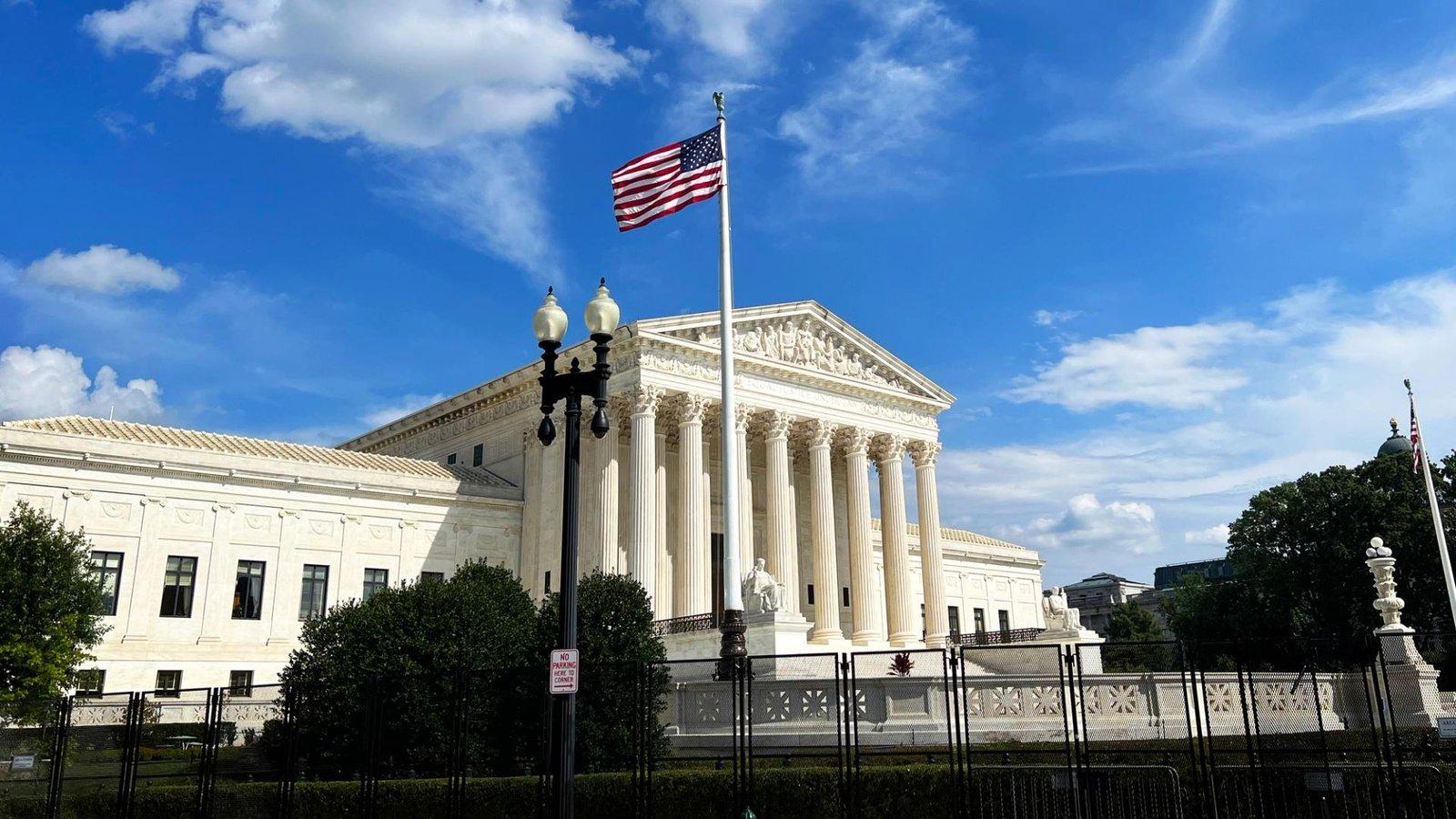
These legal setbacks emphasize the fragmented regulatory environment that prediction markets currently face. While Kalshi is seeking to elevate its case to the U.S. Supreme Court, the essential question remains: can the company establish itself as a viable alternative to traditional sports betting? The distinction between gambling and financial contracts is not merely academic; it's pivotal for the company's operational legitimacy.
State Regulations and Market Growth
The resistance from state regulators also hints at broader implications for the future of prediction markets. States like North Carolina are even considering taxing prediction market revenues, which could serve as both a financial burden and a potential validation of the industry's legitimacy. As Kalshi continues its legal battles, the outcome may set important precedents for how similar platforms operate and are regulated across the country.
Implications for Investors and the Market
For investors in the prediction market space, these developments signal a crucial period that may determine not only the survival of Kalshi but also the broader acceptance of prediction markets as a financial instrument. The industry's potential for growth, highlighted by significant investments in marketing, could be undermined if a clear regulatory framework does not emerge soon.
As we observe these ongoing legal struggles, proponents of prediction markets hope that favorable rulings could pave the way for a more robust future, akin to the transformation witnessed in other sectors disrupted by innovative business models. Investors should monitor these developments closely, as they will likely influence both market stability and potential returns in the rapidly evolving landscape of prediction markets.