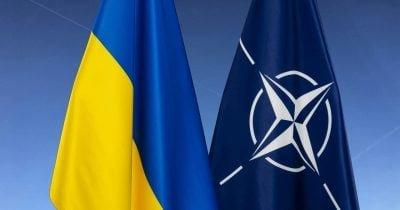
As tensions continue to rise along the Russian border, NATO member states are significantly strengthening their military presence in response to perceived threats from Russia. This shift follows a pattern of decreased U.S. engagement in Eastern Europe, further compounding the urgency for NATO to proactively address security concerns stemming from the ongoing Russia-Ukraine conflict.
Understanding NATO's Response
Reports indicate that NATO is enhancing defenses by deploying additional battlegroups to its eastern flank. This strategic military posturing is not solely a defensive maneuver but also a powerful signal intended to deter any aggressive actions by Russia. The allocation of substantial resources from the Russian state budget towards military strengthening is indicative of a possible shift in its tactical approach, with increased likelihood of incursions into neighboring territories, including those of NATO members.
Market Reactions and Military Dynamics
Market participants are closely monitoring this evolving situation, showing varied degrees of optimism concerning Russian military actions. For instance, the probability of Russian troops entering the Ukrainian city of Sloviansk by December 31, 2026, is currently assessed at 22%. This reflects a market sentiment that perceives NATO's bolstered defenses as potentially effective in deterring further Russian advances. Conversely, cities like Dopropillia and Druzkhivka show higher probabilities 55.5% and 31% respectively indicating a more complex threat landscape.
Future Implications
The current dynamics suggest that any shifts in NATO's military strategy or changes in diplomatic negotiations could have far-reaching implications, particularly for market pricing and regional stability. Investors and analysts should keep an eye on potential escalations in military budgets or new defensive measures by NATO, as these will likely influence strategic calculations on both sides.
In summary, the ongoing enhancements to NATO's eastern defenses are not merely reactive; they signify an ongoing commitment to deter aggression while shaping the geopolitical landscape in Eastern Europe. Observers are acutely aware that the balance of power is precarious, and any shifts could significantly impact stability in the region.