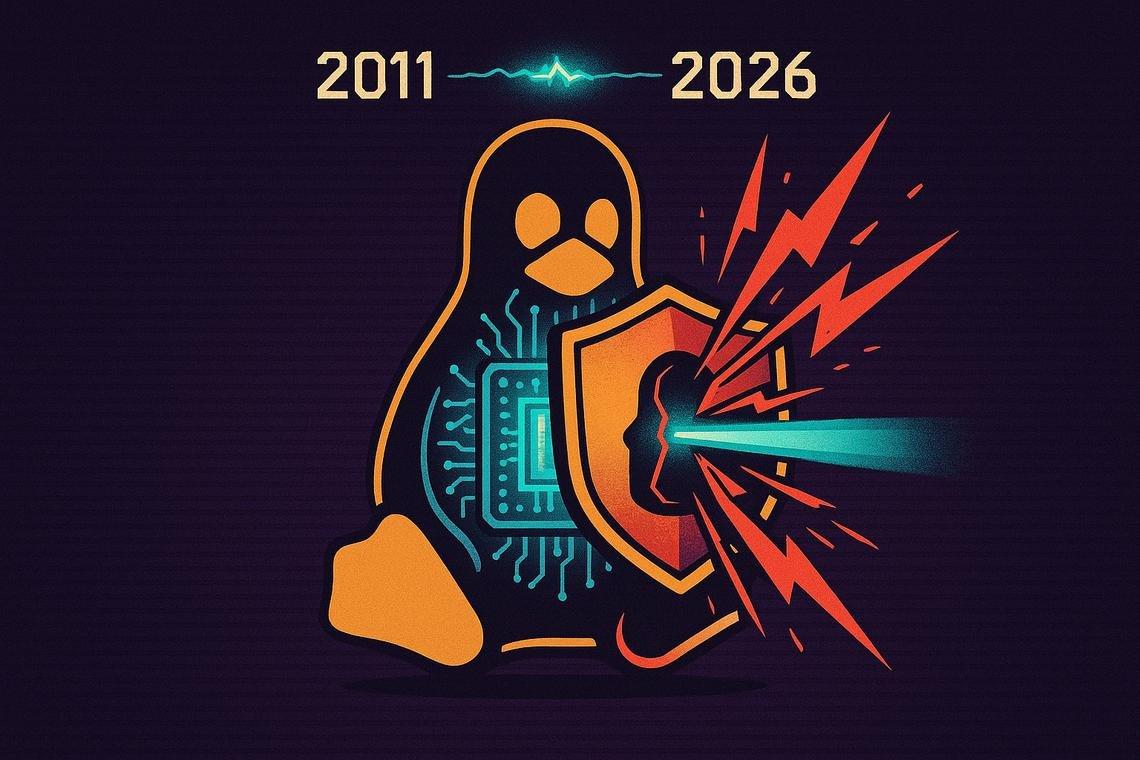
The recent revelation of a 15-year-old security vulnerability in Linux, uncovered by an AI tool named VEGA developed by Nebula Security, carries profound implications for the cybersecurity landscape. This flaw, which had eluded countless developers and security experts since 2011, underscores a critical gap in traditional software auditing methodologies and raises essential questions about the role of artificial intelligence in identifying latent security risks.
Significance of the Discovery
The vulnerability in question represents a potential backdoor for malicious actors, capable of compromising machines across a vast array of systems powered by Linux, a widely employed operating system. Google’s decision to reward Nebula Security with over $92,000 through a bug bounty program reflects the serious nature of this discovery. Such financial incentives not only encourage the identification of vulnerabilities but also signal the industry's heightened awareness regarding the importance of robust cybersecurity measures.
AI's Role in Cybersecurity
What makes this discovery particularly noteworthy is the methodology employed by VEGA. Unlike human reviewers, who are constrained by attention spans and time, AI tools can perform comprehensive code analyses far surpassing human capabilities. This revelation suggests that traditional auditing processes may be fundamentally inadequate, leaving numerous security flaws undiscovered within extensive codebases. As AI technologies continue to advance, their potential to revolutionize the cybersecurity domain could lead to a significant shift in how software security is approached.
Moreover, the revelation poses a broader question: how many more vulnerabilities remain hidden, waiting for AI to expose them? The answer could have profound implications for the security of countless applications and systems. With vulnerabilities like this one lurking undetected, organizations must reevaluate their security protocols and consider integrating AI-driven tools into their auditing practices.
This material is informational and does not constitute financial advice.