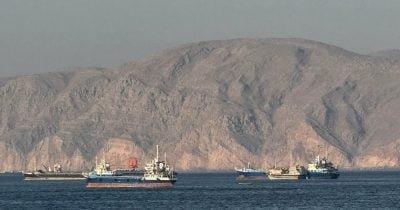
The recent military actions by the US in Iran have sent shockwaves through the global energy market, most notably reflected in the alarming results post-strikes in the Strait of Hormuz. The traditionally bustling passage, critical to the oil and gas supply, saw only five vessels cross in the wake of the US strikes, a sharp decline from an average of 23 crossings mid-week.
The strikes, targeting crucial military assets in Iran, directly stemmed from a series of attacks on commercial shipping in the region. These events highlight the persistent volatility in the Strait of Hormuz, which serves as a vital artery for approximately 20% of the world’s oil supply.
Market Disruptions and Their Implications
Reports indicate that disruptions of this magnitude are not new but part of a troubling pattern that has emerged since early 2026. This recurring cycle of conflict and recovery, where vessel traffic can plummet by up to 97%, poses a significant threat to global market stability. Although there have been short-lived recoveries, the fragility of these surges indicates a precarious recovery process.
The increase in shipping insurance premiums reflects the heightened risk associated with transiting the strait, further complicating the operational landscape for shipping companies. Some providers have even ceased to offer coverage for routes through Hormuz, which could lead to broader supply chain disruptions.
The Ripple Effects on Energy and Crypto Markets
The immediate impact on energy markets is palpable. Analysts describe the situation as one of the largest oil supply shocks seen in decades. As global energy prices ascend past their current levels of volatility, markets brace for an extended period of turbulence that could affect various sectors, including crypto.
For the crypto sector, particularly Bitcoin mining, rising energy costs pose a critical threat. Mining operations, already energy-intensive, face squeezed margins in regions lacking stable, fixed-rate energy contracts. An ongoing spike in energy prices may force significant operational adjustments among miners, potentially leading to widespread ramifications within the crypto market.
In sum, the upheaval brought about by the military actions in Iran has far-reaching implications that extend beyond immediate regional concerns. As energy prices rise and shipping becomes more precarious, both traditional markets and the evolving landscape of cryptocurrencies will need to navigate through these turbulent waters with caution.
This material is informational and should not be considered financial advice.