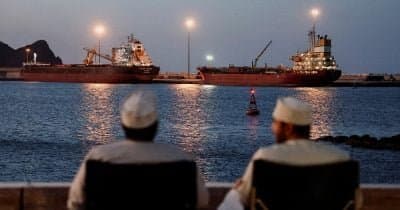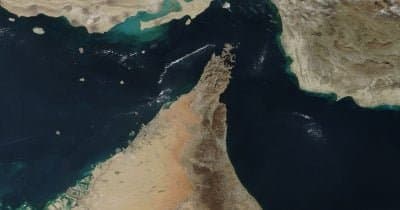
The recent surge of the U.S. dollar can be attributed to escalating tensions in the Middle East, most notably resulting from the closure of the Strait of Hormuz. This strategic waterway is pivotal in global oil transportation, as around 20% of the world's oil supply passes through it. This closure has followed a series of military actions by the United States against Iran, indicating a significant geopolitical shift that could have lasting impacts on both energy markets and international relations.
Escalating Tensions and Their Immediate Effects
The situation has become particularly volatile with Iran's aggressive maneuvers, including the attack on a merchant vessel and the closure announcement. This marks the third wave of U.S. military responses in a month, reflecting a breakdown in nuclear negotiations and a precarious escalation in military posturing. With the Strait now closed, major shipping routes are disrupted, leading to immediate consequences for oil supply chains and pricing.
Market Predictions and Global Implications
As the market adjusts to this upheaval, the likelihood of Iran resuming transit fees for vessels using the Strait has come under scrutiny. Currently, the odds of this happening by mid-July have dipped slightly to 3.1%, suggesting that traders are cautiously optimistic, despite the heightened tensions. Such a resumption of fees would directly impact not just the cost of oil, but also create ripple effects throughout global markets, potentially exacerbating the ongoing energy crisis.
- Dollar Strength: The U.S. dollar has been gaining traction amidst global uncertainties, a classic safe-haven behavior.
- Energy Costs: Disruptions in oil supply could lead to increased prices, causing inflationary pressures worldwide.
- Geopolitical Stability: The area remains a flashpoint, and further military actions could destabilize not only Middle Eastern nations but also their trade partners.
In light of these developments, it is important for investors and market participants to remain vigilant. Official announcements from Iran or the Iranian Revolutionary Guard Corps regarding potential Hormuz fees, as well as responses from shipping firms, will be critical indicators to watch.
This material is informational and should not be considered financial advice.