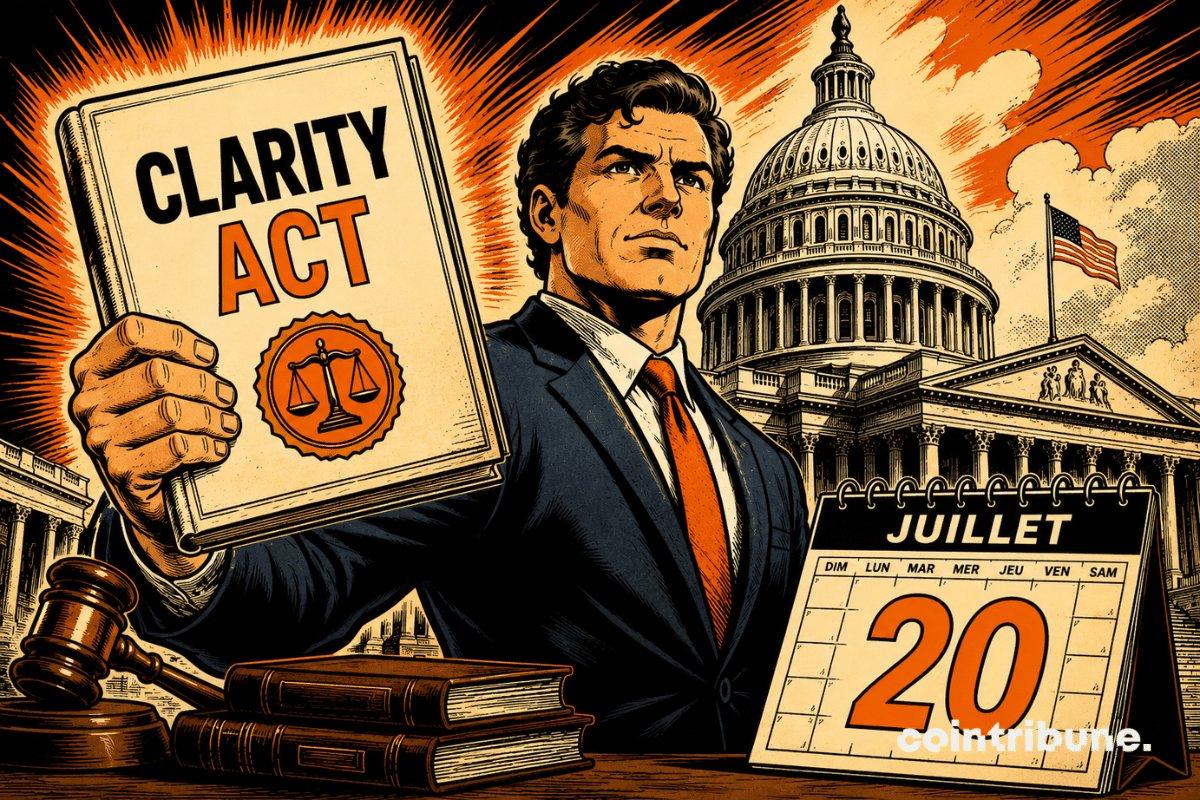
The impending release of a merged version of the CLARITY Act in the U.S. Senate represents a pivotal moment for the regulation of the cryptocurrency market. Scheduled for publication as early as the week of July 13 and a vote on July 20, this legislative move seeks to provide clarity to the digital asset space, which has long been a source of uncertainty for investors and companies alike.
Context: A Legislative Push Amid Industry Pressure
The urgency surrounding the CLARITY Act stems from mounting pressure from the crypto industry. Over 200 companies, including major players like Coinbase and Ripple, have rallied for swift action, highlighting the necessity for regulatory clarity before the Senate's summer recess. With only eight legislative days remaining, the timeline is pressing. Republican leaders, particularly from the banking committee, are working diligently to secure a vote, emphasizing the act's importance to the future of crypto regulation.
Details: Ethical Concerns and Legislative Hurdles
Despite the momentum, the act faces significant hurdles, particularly regarding ethics provisions that could affect its support. One contentious issue involves a proposed ban on business ties between senior government officials and the crypto sector, a provision that has raised concerns among some Democratic senators. The ambiguity surrounding this section threatens to derail the act, as two prominent Democrats have indicated that they may withdraw support unless the ethical guidelines are clarified.
Senator Cynthia Lummis has been vocal in advocating for a framework that looks beyond merely adapting existing laws, arguing for a consumer-friendly approach to digital assets. This perspective is critical, especially in light of Senator Elizabeth Warren's criticisms regarding potential illicit financing. Lummis points to over 16 safeguards included in the draft, aimed at addressing these concerns and ensuring a robust regulatory environment.
Future Implications for the Crypto Market
The outcome of the CLARITY Act will have far-reaching implications for the cryptocurrency market. If passed, it could usher in a new era of regulatory certainty, potentially attracting institutional investors who have been hesitant due to the lack of clear guidelines. This shift could also encourage innovation within the space, as companies would be able to operate with a better understanding of the legal landscape.
Conversely, failure to pass the act could perpetuate the current state of uncertainty, hindering growth and investment in the sector. The involvement of the White House remains a wildcard, as it has not yet endorsed the merged text or participated in negotiations, leaving the act's future somewhat precarious.
This article is for informational purposes only and does not constitute financial advice.