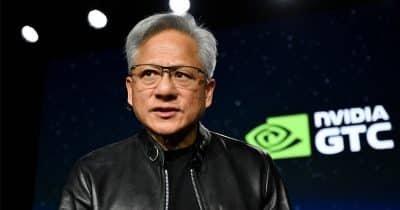
The competitive landscape of the artificial intelligence industry has reached a critical point as xAI, Meta, and Anthropic increase their encroachment into each other’s operational domains. This shift signifies a transformation in AI market dynamics, pushing established boundaries and necessitating a reevaluation of strategic positioning among major players.
Why This Shift Matters
The recent $1.25 billion monthly compute agreement between xAI and Anthropic marks a landmark moment in tech infrastructure contracts, estimated to total between $40 billion and $45 billion over its lifetime. This substantial deal not only highlights the immense demand for AI computing power but also illustrates the shifting relationships between these key industry players.
- Monthly deal value: $1.25 billion
- Total potential contract value: $40-45 billion
- Contract duration: Until May 2029
xAI, known for its Colossus clusters developed for its AI model, Grok, is leveraging surplus computational capacity to establish itself as a competitor to major cloud providers like Amazon Web Services and Google Cloud. Anthropic, in turn, benefits from access to significant computational resources while simultaneously working on developing proprietary server chips to diminish reliance on companies like Nvidia. This creates a paradoxical market dynamic where xAI acts as both a competitor and a service provider to Anthropic.
The Emerging Competition Landscape
In addition to the cloud computing deal, Meta’s push into enterprise AI with the launch of subscription services, such as its Hatch product priced at $200 per month, intensifies the competition further. By targeting business customers directly, Meta positions its offerings alongside those from competitors, including Anthropic and OpenAI, illustrating the urgency for innovation and market share acquisition.
The strategic play of developing in-house hardware by Anthropic echoes strategies employed by tech giants such as Google and Amazon, allowing for greater autonomy in fulfilling growing computational demands.
Implications for Cryptocurrency and Beyond
This massive bilateral agreement emphasizes a burgeoning opportunity for decentralized computing networks, often viewed as alternatives to traditional AI infrastructure. For instances, projects focused on distributed GPU rental may find themselves in a favorable position, catering to overflow demand as centralized providers navigate their limitations. However, these prospects are accompanied by risks tied to market competition and technological advancements, particularly as traditional tech companies continue to dominate research and development in AI.
Moving forward, observing how these competitive dynamics evolve will be critical. Factors such as the successful rollout of Anthropic's chips, the effectiveness of Meta's enterprise solutions, and the response of decentralized computing platforms will significantly shape the technological landscape and potentially influence investor sentiment across both AI and cryptocurrency markets.
This material is for informational purposes only and does not constitute financial advice.