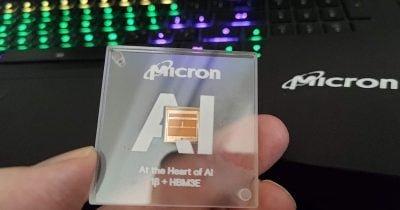
The impressive rise of Micron Technology's stock, which has surged approximately 197% in 2026, signifies an important intersection of artificial intelligence (AI) demand and cryptocurrency trading innovations. As investors flock to embrace these emerging trends, the stock, trading around $949, highlights the intense market interest in high-bandwidth memory (HBM) and the potential of tokenized assets.
Why This Development Matters
The correlation between Micron's stock performance and the expanding AI landscape cannot be overstated. The need for HBM by large language models and data centers continues to grow, exacerbated by limited supply that ensures every unit is accounted for via binding contracts. This situation not only indicates Micron's pivotal role in the AI boom but also illustrates a broader trend where technology and finance are increasingly converging.
- Micron's stock has risen approximately 197% in 2026.
- UBS analyst Timothy Arcuri has set a price target of $1,625 for Micron.
- HBM4 capacity is fully contracted for 2026, highlighting the supply-demand imbalance.
- Micron has committed $27 billion in capital expenditures for fiscal 2026 to expand production.
The Tokenization Trend Explained
The launch of tokenized versions of Micron stock on Ethereum and Solana marks a significant shift in trading practices. These tokenized assets not only enable investors to engage with Micron's equity beyond traditional brokerages but also offer flexible trading opportunities 24/7. Coupled with the settling speed and integration into decentralized finance (DeFi) strategies, this development illustrates the emerging synergy between traditional finance and decentralized trading ecosystems.
Moreover, Micron has historical ties to the cryptocurrency space through its production of GDDR memory for GPUs used in mining. This legacy positions Micron uniquely within the crypto landscape, as its products serve both AI and blockchain applications, thus amplifying investor interest.
Future Implications and Risks
While the current market sentiment is overwhelmingly positive, analysts caution that the semiconductor market typically experiences cycles of growth and contraction. The prevailing consensus suggests peak demand may occur around 2027-2028, potentially leading to a downturn by 2029 as new fabrication capacities emerge. The substantial $27 billion investment aimed at enhancing production could appear less favorable if demand begins to wane.
Investors should remain vigilant, as the dynamics of AI and memory chip markets evolve rapidly. Keeping an eye on both technological advancements and macroeconomic factors will be critical in navigating potential market cycles.
This material is for informational purposes only and should not be considered financial advice.