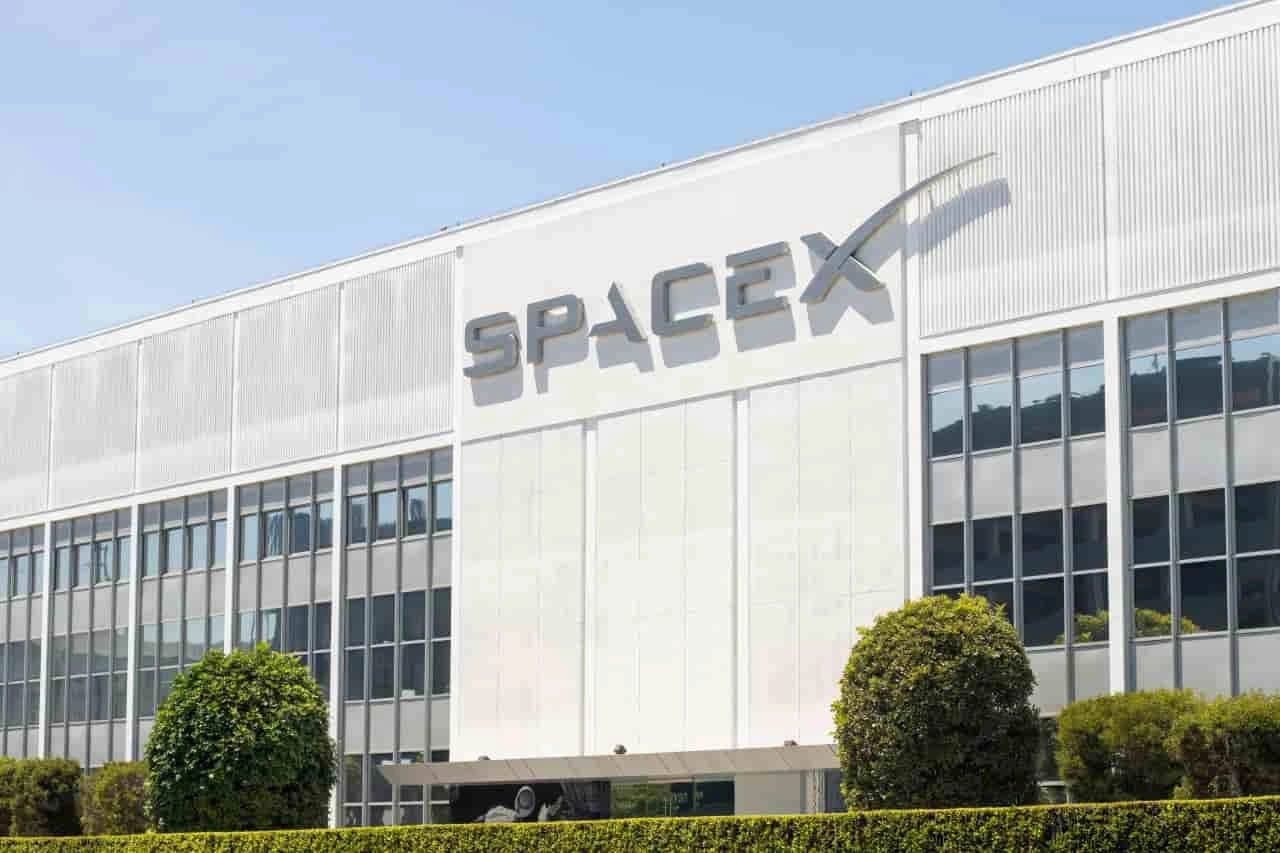
SpaceX shares have plunged sharply since their June 2026 IPO, sliding from a peak near $226 down to $124, erasing nearly $1 trillion in market value. This 45% tumble has pushed the stock below its initial $135 offering price, stirring debate on whether the current dip is a rare entry point or a warning sign of deeper issues.
Behind the Price Volatility
The steep decline follows a typical post-IPO trajectory where early investors capitalize on initial enthusiasm, triggering profit-taking and insider sales. Additional headwinds have compounded pressure on SpaceX stock: recent share unlocks increased supply, short interest has risen amid broader tech sector pullbacks, and a Starship test failure has fueled concerns about execution risks. Despite these setbacks, SpaceX remains among the highest-valued public companies worldwide.
Central to SpaceX’s valuation is its Starlink satellite broadband service, which serves over 10 million users globally and brings in steady, high-margin revenue from diverse customers including governments via Starshield contracts. The company reported $18.7 billion in revenue in 2025, a 33% year-over-year increase, with expectations for 2026 revenues between $22 and $30 billion if subscriber growth and launch cadence continue.
The long-term investment thesis hinges on Starship, the next-generation rocket designed to cut launch costs and enable ambitious projects like lunar missions and orbital data centers. However, Starship still faces significant development and regulatory hurdles. Upcoming flight tests will be critical in determining if it can unlock new growth avenues or further dampen investor confidence.
SpaceX’s stock remains expensive relative to established technology and industrial firms, trading heavily on anticipated future growth rather than current profit, as the company posted a $4.9 billion net loss in 2025 due to heavy investments in infrastructure, R&D, AI initiatives, and Starship development.
For investors focused on satellite communications and the expanding space economy, the recent selloff could offer a discounted entry, but one must weigh short-term volatility against the potential for transformative advances in space technology. The stock’s trajectory will likely be shaped more by Starship’s success than by near-term market gyrations.
This material is informational and does not constitute financial advice.