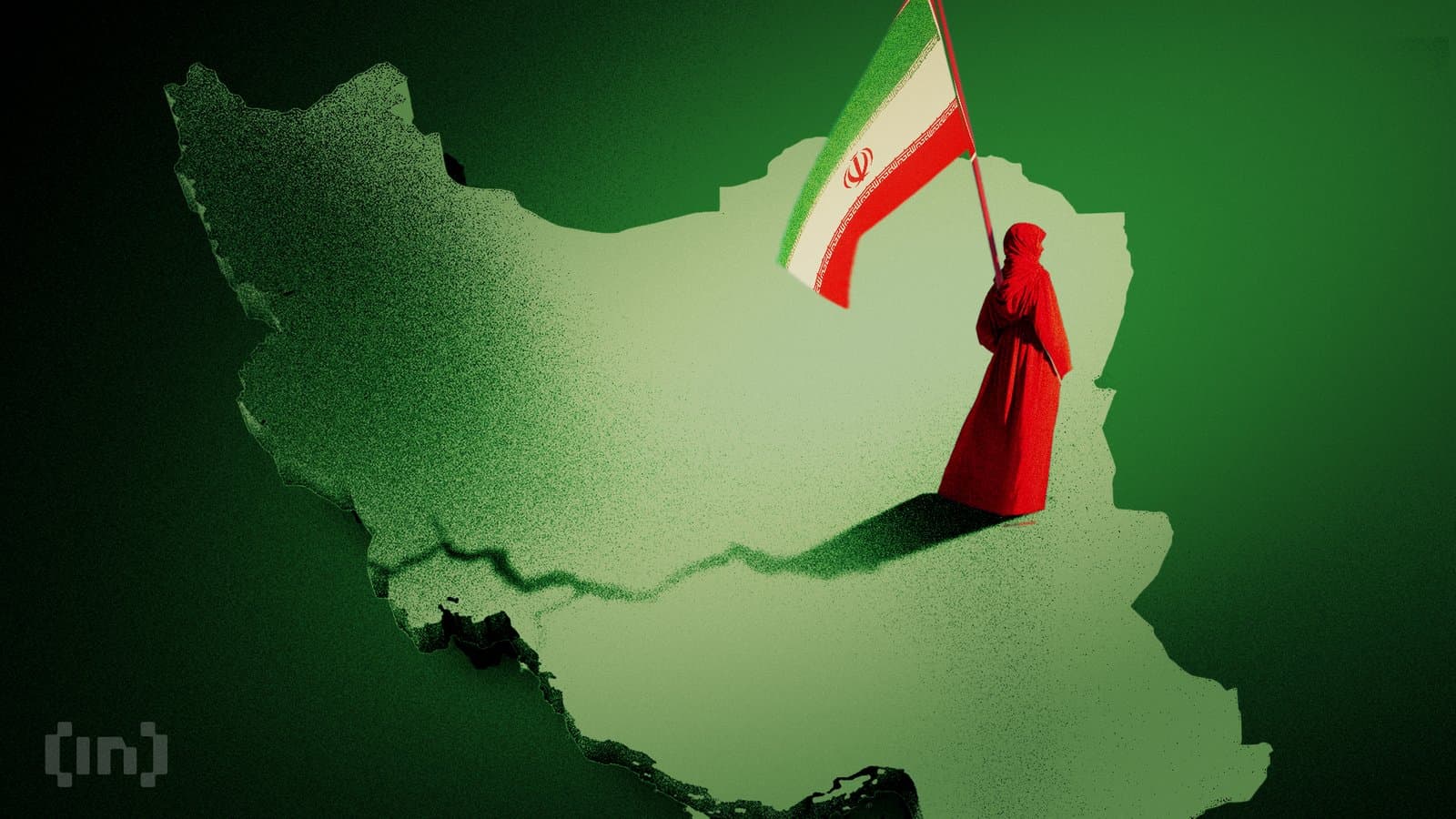
The recent announcement by the US Treasury regarding the freezing of over $130 million in cryptocurrency linked to Iran's Central Bank (CBI) shows a critical intersection of finance and geopolitical maneuvering. This move, articulated by Treasury Secretary Scott Bessent, is not merely a financial action; it is part of a broader strategy aimed at disrupting illicit revenue streams that fuel the Iranian regime's operations.
Strategic Moves Against Financial Infrastructure
Bessent's declaration highlights a focused approach to combat Iran's alleged misuse of digital assets. He stated, “We will continue to aggressively follow the money and deny the Iranian regime access to the proceeds of its illicit revenue schemes.” This commitment to monitor and disrupt financial flows targeting Iran is significant, especially given the previous freeze of $344 million facilitated by stablecoin issuer Tether, which also targeted wallets associated with Iranian state actors.
The sanctions directed by the Office of Foreign Assets Control (OFAC) extend beyond mere cryptocurrency, encompassing over 50 individuals, entities, and vessels involved in a network led by Mohammad Hossein Shamkhani, a key figure in Iran's oil export strategy. The cumulative impact of these actions serves to systematically dismantle the financial infrastructure that supports Iran's operations, particularly in the context of Executive Order 13902, which aims at Iran's core economic sectors.
Connecting Financial and Military Pressure
This recent financial clampdown coincides with intensified military actions in the region. The US Central Command has resumed a naval blockade on Iranian ports, reinforcing the notion that financial sanctions and military posturing are two sides of the same coin in the US strategy against Iran. With more than 20 US Navy warships and hundreds of aircraft deployed across the Middle East, the US is sending a clear signal: it is willing to escalate pressure on Iran to mitigate perceived threats to national security and global trade routes.
The coordinated financial and military strategies might provoke significant reactions from Tehran, potentially leading to increased volatility in both geopolitical and market spheres. Investors in cryptocurrencies and related sectors should remain vigilant. The ramifications of these actions could extend beyond immediate sanctions affecting crypto markets as they react to geopolitical tensions and regulatory changes.
As the US intensifies its efforts to constrict Iran's financial avenues, the likelihood of ripple effects in the global crypto market increases. The implications are multifaceted, impacting everything from investor sentiment to regulatory environments in various jurisdictions.
This material is informational and not financial advice.