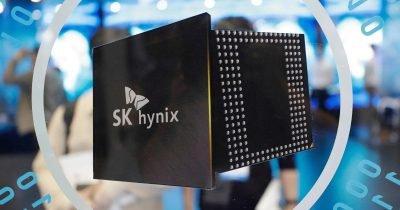
The recent debut of SK Hynix on Nasdaq marks a significant milestone, not just for the company, but for the entire semiconductor industry. Raising an impressive $26.5 billion, SK Hynix's listing has surpassed Alibaba's previous record, reflecting a robust appetite among investors for AI-centric infrastructure.
The memory chipmaker, now the second-largest globally, tapped into the growing demand driven by major tech firms like Nvidia that rely on high-bandwidth memory chips for their AI-intensive workloads. With shares opening at around $168, a surge of 13-14% from the offering price of $149, this excitement around their IPO signals a shift in how investors view chip manufacturers in the context of emerging AI technologies.
The Broader Implications for the Semiconductor Sector
As hyperscalers such as Microsoft and Google invest heavily in AI infrastructure, global capital expenditures related to AI are witnessing a noticeable upswing. This trend is feeding directly into the demand for dynamic random-access memory (DRAM) and high-bandwidth memory (HBM), which are critical for modern AI applications. Although SK Hynix has historically traded at lower valuations compared to its US competitor Micron, this listing aims to equalize those discrepancies by providing direct access to US capital markets.
Such a strategic move not only enhances SK Hynix's visibility but also reflects a wider confidence in the sustainability of AI-related spending. Investors now have a clear opportunity to engage with a firm central to the meme of AI-driven growth, providing an exciting alternative to conventional tech stocks.
Potential Risks and Future Considerations
However, the key question remains whether this AI capital expenditure boom can be sustained over the long term or if it will taper off, potentially impacting memory prices and margins. Investors will need to closely monitor trends in hyperscaler spending and the cyclical nature of the semiconductor market. While the listing itself is not directly crypto-focused, the excitement surrounding AI and infrastructure could lead to future crypto products associated with memory manufacturers, as seen previously with AI trading agents transforming retail crypto markets.
This article is informational and should not be construed as financial advice.