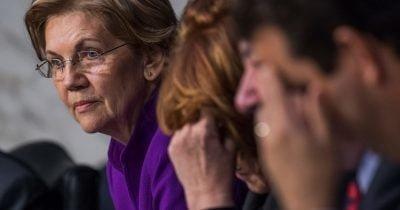
Senator Elizabeth Warren's vocal opposition to the Digital Asset Market Clarity Act highlights significant friction in the cryptocurrency regulatory landscape. By labeling this proposed legislation as a potential 'ticket to sanctions evasion,' she raises critical concerns about regulatory oversight and the use of cryptocurrencies by sanctioned entities.
Why This Matters for Investors and the Crypto Industry
Warren's comments come at a time when the crypto industry is undergoing a crucial regulatory evolution. The Clarity Act, designed to create a comprehensive framework distinguishing between digital commodities and securities, is seen as a substantial victory for the industry. However, Warren’s framing underscores the potential risks associated with the legislation:
- Involved $3.84 billion in Iranian funds allegedly processed through the CoinEx exchange since 2019.
- The Clarity Act passed the House with a vote of 294-134.
- It has been stalled in the Senate since early June.
This conflict accentuates a larger debate about how cryptocurrencies can be used, particularly by entities that are under sanctions. Investors and stakeholders must be cognizant of how regulatory narratives can impact market confidence and the development of digital assets.
Understanding the Legislative Context
The Digital Asset Market Clarity Act is intended to delineate the roles of the SEC and CFTC, which have been sources of confusion and legal disputes within the cryptocurrency sector. Senator Cynthia Lummis, a proponent of the bill, argues it contains multiple safeguards against money laundering and could enhance effective oversight. However, Warren's assertion that existing regulatory frameworks are already allowing circumvention of sanctions complicates this narrative.
Warren's critique is potentially damaging not just for the bill’s passage but also for broader blockchain and cryptocurrency acceptance in the U.S. With $3.84 billion as a strong argument against the bill, her concerns may resonate with undecided lawmakers, adding pressure on those supporting it.
What to Watch Moving Forward
The current stalemate in the Senate raises crucial questions about the future of cryptocurrency regulation. As the deadline approaches for potential legislative decisions, the crypto market should remain alert to changes:
- Monitoring further developments and amendments proposed during Senate discussions.
- Observing how public sentiment and political pressures influence final voting outcomes.
- Understanding the implications of this regulatory debate for global crypto markets and compliance requirements.
Investors should be prepared for potential volatility as the regulatory landscape evolves. Clarity in regulation might bring both risks and opportunities to the market, influencing strategic decisions.
This article is for informational purposes only and does not constitute financial advice.