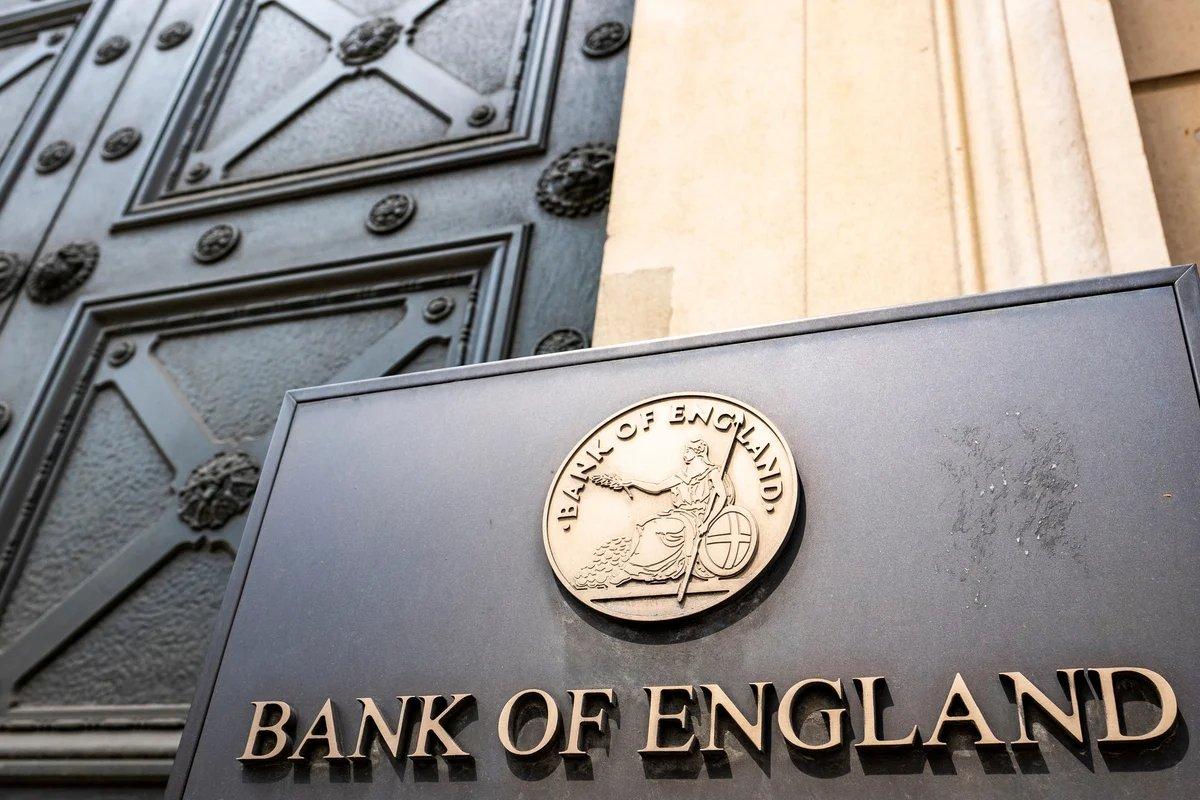
The recent announcement from the Bank of England (BoE) regarding the ineffectiveness of Nigel Farage's lobbying efforts shines a light on the institution's unwavering commitment to maintaining its independence in the development of a potential digital pound. This revelation is fundamental not only for the future of the UK’s monetary system but also for the broader implications it may have on the cryptocurrency landscape and political involvement in financial regulations.
Understanding the Significance of the Bank's Stance
Governor Andrew Bailey's statement confirming that Farage’s pressures had no effect on the Bank's policy creates a stronger narrative around the importance of political neutrality in central banking. This is particularly vital as the discourse around central bank digital currencies (CBDCs) intensifies globally. Market confidence in central banks hinges on their ability to operate free from external pressures, which is essential for fostering trust in both traditional and digital currencies.
- Farage attempted to alter the BoE's digital pound policy through direct lobbying.
- Approximately £5 million in funding reportedly linked to Farage stems from cryptocurrency entrepreneur Christopher Harborne.
- Harborne has connections to Tether, a stablecoin firm opposing CBDCs.
The BoE's firm refusal to shift its strategies based on lobbying is a crucial message to crypto advocates and critics alike. With increasing political scrutiny on the sources of funding for political figures, the spotlight now falls on connections that could potentially influence central bank decisions. The transparency displayed by the BoE may mitigate fears that political motivations could jeopardize the development of innovative financial instruments.
Potential Outcomes and Future Considerations
The implications of this incident extend beyond the immediate digital pound considerations. As other nations explore similar initiatives, the experiences of the UK may serve as a model or warning about how political lobbying can be navigated in central banking contexts. The resilience of the BoE in maintaining its independence could bolster the confidence of investors and stakeholders in the crypto market.
On the legislative front, the roadmap for a digital pound remains cautiously optimistic, contingent on extensive research and necessary public engagement as the BoE moves forward. With governmental and parliamentary approval still required, market participants should keep an eye on upcoming discussions regarding financial innovation and regulatory landscapes. As important political and financial figures such as Farage continue to engage in the narrative surrounding CBDCs, understanding their influence becomes crucial.
This material is for informational purposes only and does not constitute financial advice.