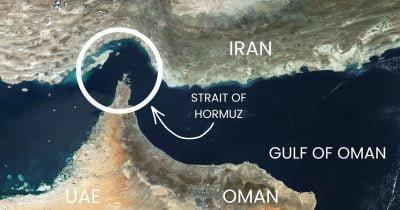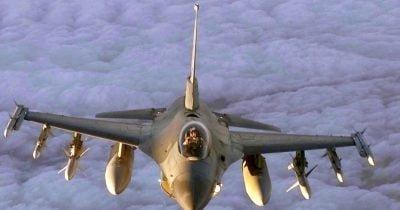
The recent air strikes conducted by US forces in Veysian, located in western Iran's Kermanshah province, represent a notable escalation in military operations, extending beyond previous engagements that were primarily targeted at coastal regions. This shift occurs against the backdrop of deteriorating relations following Iran's heightened aggression toward commercial shipping in the strategic Strait of Hormuz, underscoring the shifting dynamics in the ongoing conflict.
With tensions rising, the implications of these military actions extend far beyond immediate military strategy. Market participants are interpreting this expansion of operations as a precursor to possible Iranian airspace closure, which, if enacted, could significantly disrupt air travel and commercial operations in the region. Analysts are now contemplating the likelihood of such developments materializing by the end of July, further complicating the geopolitical landscape.
Escalating Military Engagements
The geographic expansion of US military operations signifies an increased willingness to engage in conflicts that could have broader ramifications on international stability. As diplomatic channels seem to falter in producing any significant breakthroughs, the persistent hostilities suggest a cycle of retaliation may ensue. Continued military action could provoke Iran to respond with its own strikes, creating a feedback loop of violence.
Monitoring the Airspace Closure Probability
For investors and market analysts, attention must be focused on potential announcements from the Civil Aviation Organization of Iran regarding airspace policy. The implications of these developments not only affect geopolitical stability but also have direct consequences for global energy markets and trade routes. Should Iran close its airspace, the ripple effects could lead to increased uncertainty and volatility in energy prices and regional security.
As the situation evolves, the contours of US-Iran relations will likely redefine market perceptions and expectations for future engagements. Ongoing diplomatic efforts will play a crucial role in determining whether the current trajectory can be altered or if we are witnessing the early stages of a broader conflict.
This article is for informational purposes only and should not be considered financial advice.