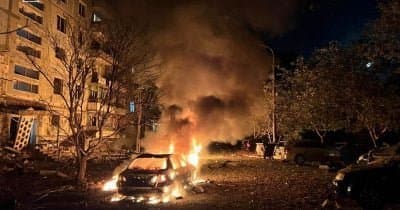
In the latest escalation of the Russo-Ukrainian conflict, Russian drone and missile strikes have led to the deaths of four individuals in Ukraine, while retaliatory Ukrainian attacks have resulted in five fatalities on the Russian side. This back-and-forth violence illustrates the ongoing intensity of the war and highlights the persistent deadlock that continues to challenge diplomatic resolutions.
The use of advanced drone and missile technology indicates a shift towards longer-range, high-impact engagements rather than traditional ground offensives. This trend reflects a phase of warfare characterized by strategic strikes aimed at key targets, rather than attempting to seize territory through direct confrontation. As such, the current state of military engagement suggests that both sides are committed to inflicting damage while preserving their respective positions, intensifying the complexity of any potential peace negotiations.
Market indicators suggest a declining optimism regarding Ukraine's prospects of reclaiming Crimea. Recent assessments show that the likelihood of Ukraine regaining control of the peninsula has dropped from 12% to 10.5% within the past week. This trend indicates a growing skepticism among investors and analysts about the feasibility of significant territorial advancements in the near future, further complicating the geopolitical landscape.
As the situation unfolds, observers are advised to monitor any shifts in military strategies or diplomatic overtures that could reshape market expectations. Key factors will include updates from the Institute for the Study of War and any changes in territorial control reported from either side. Enhancements in military support from international allies or adjustments in sanctions could also play a critical role in altering the dynamics of the conflict and influencing market perception.
This material is informational and not financial advice.