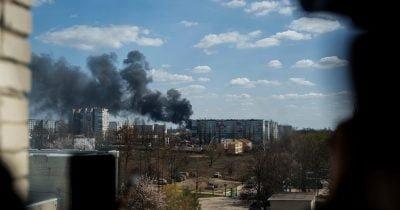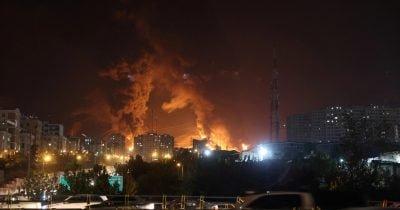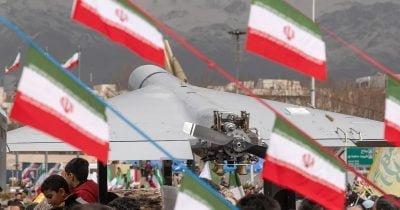
The interception of Iranian missiles and drones by Gulf states such as Qatar, the United Arab Emirates, and Bahrain signals an intense escalation in military tensions within the region. As these nations take proactive measures in defense, the situation underscores a broader geopolitical landscape marked by hostilities, particularly amid Iran's aggressive posturing. The Iranian Revolutionary Guard Corps (IRGC) claims it has targeted military facilities in Jordan and Oman, which are associated with U.S. forces. This reciprocal military activity raises alarms about the future of stability in the Middle East.
Following recent U.S. airstrikes on Iranian soil, the escalation appears to be a direct response to heightened military pressures from both the U.S. and Israel. The situation is further complicated by the fact that market participants have reacted to these developments with significant concern. On July 12, there was a 68.5% probability that Iran would engage in military actions against Gulf states, illustrating the pervasive anxiety among investors regarding the potential for an all-out conflict.
The market's perception, particularly on dates following the interceptions, suggests a growing fear of further military actions. As of July 13, the likelihood remains at 35.5%, indicating that investors are keenly aware of the fragile state of regional stability. This ongoing uncertainty could have far-reaching implications on various sectors, including energy prices and market confidence.
Jordan's confirmation of intercepting missiles and Kuwait's reported defensive actions highlight that this is not merely a localized issue but one that could affect many countries in the region. The growing military tensions necessitate close observation of potential diplomatic interventions, as any meditative efforts could substantially alter market dynamics. Traders and investors alike should be aware that developments in regional alliances, defense strategies, and responses from Gulf states will critically influence the trajectory of these conflicts.
In this context, it is essential to consider how increasing tensions between Iran and the U.S. could disrupt global oil markets, given the region's critical role in energy supply. The conflict's evolution may not only impact military strategies but also economic conditions that ripple through international markets.
This material is informational and not financial advice.