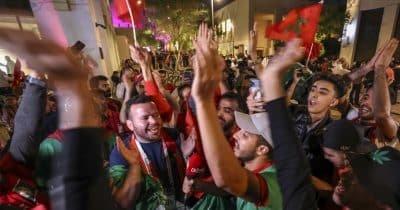
The recent incidents involving Moroccan fans in Paris following their FIFA World Cup victory against Canada have brought significant attention to the intersection of sports, nationalism, and the evolving landscape of fan engagement in the cryptocurrency sector. Just hours after Morocco triumphed with a 3-0 scoreline, joyous celebrations turned into a hostile environment in Aubervilliers, where fans experienced verbal and physical abuse amidst a troubling rise in xenophobic rhetoric.
Why This Matters for Investors and Stakeholders
The events highlight deeper societal issues that resonate beyond the immediate sports narrative. They raise crucial questions about safety at major sporting events and the societal divisions that can spill over into public celebrations. The Moroccan embassy's formal condemnation, which implicated Algerian nationals in the incidents, adds a geopolitical layer to these localized tensions.
- Morocco defeated Canada 3-0 on July 4.
- Incidents occurred in Aubervilliers shortly after the match.
- The Moroccan embassy condemned the violence on July 6.
- French authorities are actively investigating the situation.
Such incidents serve as a reminder of the volatile atmosphere surrounding large public events, especially in areas already marked by social unrest. The fan engagement economy which has increasingly overlapped with digital assets must grapple with these realities. For cryptocurrency projects aiming to tokenize fan interaction, the implications are profound; if security and community cohesion are not prioritized, the viability and adoption of these platforms could face significant challenges.
Looking Ahead: What’s Next?
Moving forward, stakeholders in the sports and crypto sectors should closely monitor how authorities respond to these incidents. Will there be improved security measures or initiatives to foster community engagement? Furthermore, as fan tokenization projects seek to gain traction, they must ensure that they contribute positively to the relationship between fans, sports institutions, and national identities, rather than exacerbating existing divisions.
This article is for informational purposes only and is not financial advice.