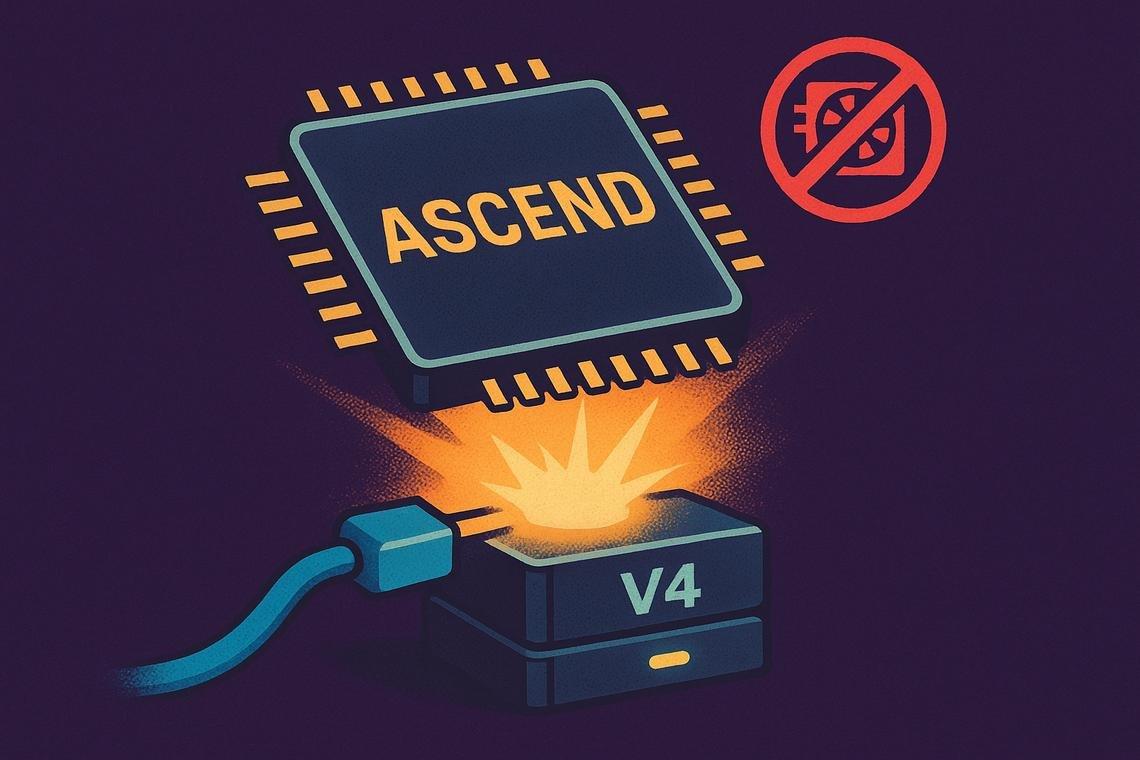
Microsoft's recent decision to substitute OpenAI and Anthropic AI integrations with proprietary models in its applications marks a significant shift in the competitive landscape of artificial intelligence. By doing so, Microsoft not only aims to enhance cost efficiency but also strives to gain greater control over its technological dependencies, responding to the rising costs and limitations of third-party AI providers.
Understanding the Implications of Microsoft's Move
This pivot is crucial as it places Microsoft in a dual role: both a consumer and a competitor in the AI marketplace. The unveiling of Microsoft’s new AI models at the June Build conference showcased capabilities that reportedly match or exceed those of major industry players while promising lower operational costs. This strategic direction is likely to reverberate through the AI sector, particularly affecting companies like OpenAI and Anthropic.
- Microsoft enhances AI with proprietary models to reduce reliance on external providers.
- The new models are projected to match or exceed existing capabilities at lower costs.
- Market pricing reflects a dip in confidence regarding Anthropic’s future valuation targets.
The implications of these shifts are twofold. For Microsoft, it builds a stronger position in the AI ecosystem, potentially increasing its market share and influence. For OpenAI and Anthropic, it raises questions about their long-term viability and competitive edge, especially given the market’s reaction to this development.
Future Monitoring: Key Considerations
This material is for informational purposes only and does not constitute financial advice.