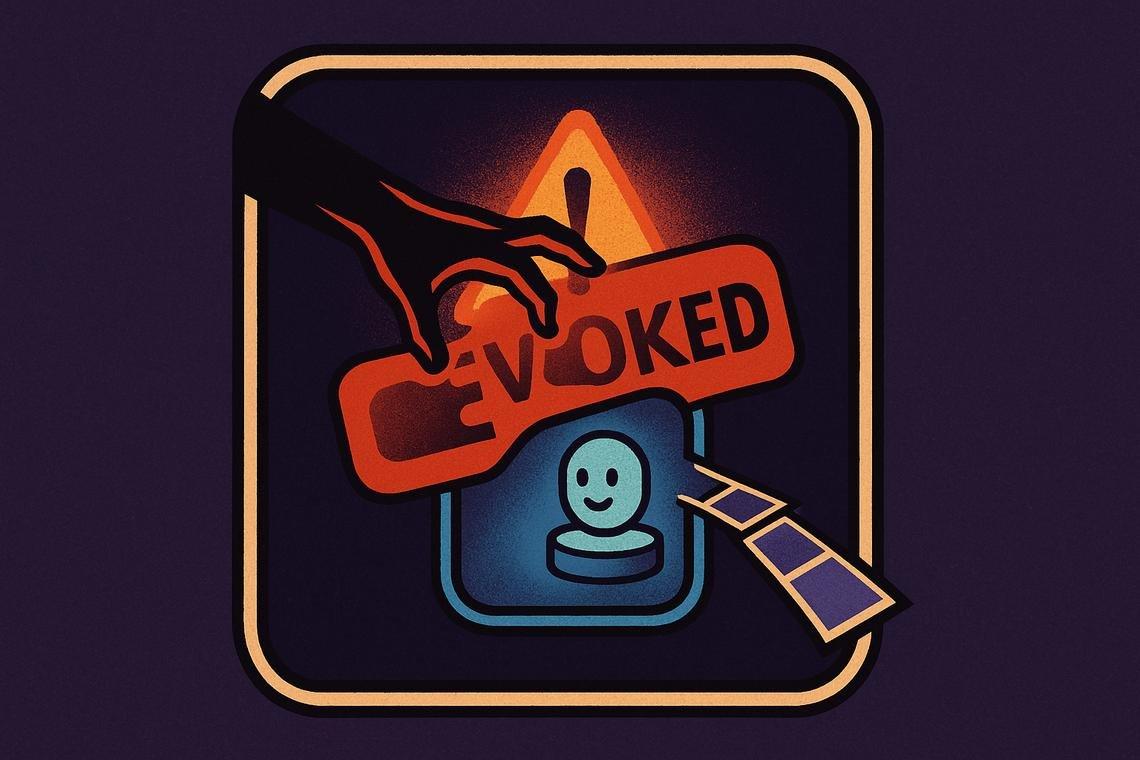
In a striking turn of events, Meta has swiftly withdrawn its controversial AI feature from Instagram just days after its launch. The Muse Image tool, introduced on July 7, 2026, was intended to enhance user creativity by allowing anyone to generate AI imagery using public Instagram account photos. However, the backlash was so significant that Meta was compelled to retract the feature by July 10, highlighting the ongoing challenges tech companies face regarding user consent in the realm of generative AI.
Understanding the Muse Image Controversy
The primary function of Muse Image was to facilitate the creation of original images from public accounts without the consent of the users involved. This means that any Instagram user could tag a public account, and the AI would utilize images from that account to generate new content. Such functionality, while framed as a tool for creativity potentially useful for personalized graphics and custom invitations was met with immediate scrutiny. The default opt-in for public accounts, combined with the absence of a notification system for users when their images were used, raised significant ethical concerns.
Implications for User Privacy and AI Development
The rapid removal of this feature underscores a critical lesson for Meta and the broader tech ecosystem: user consent is paramount. The response from users and talent agencies, such as Creative Artists Agency (CAA), was swift and revealing. Influencers, photographers, and everyday users expressed fears of impersonation and nonconsensual image manipulation, which speaks to a fundamental issue in AI deployment. As generative AI continues to evolve, companies must navigate the complex landscape of user rights and privacy protections. This incident may serve as a wake-up call for other platforms exploring similar technologies.
The fallout from Muse Image could have significant ramifications for Meta and the generative AI sector at large. As platforms grapple with the implications of AI technologies, they must establish clearer guidelines and safeguards to protect user content. The incident reinforces the necessity for transparency in the deployment of AI tools, particularly those that draw upon user-generated content. Failure to do so could lead to further backlash and loss of trust among users, potentially stalling innovation in a competitive landscape where user trust is increasingly fragile.
This article is for informational purposes only and should not be considered financial advice.