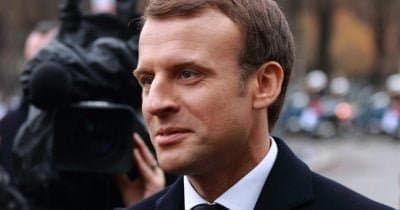
In a poignant ceremony commemorating the 120th anniversary of Alfred Dreyfus's exoneration, French President Emmanuel Macron addressed the alarming resurgence of antisemitism in France. This occasion not only highlighted Dreyfus's wrongful conviction but also marked the establishment of a national day of remembrance for his story, encapsulating a significant chapter in France's struggle against antisemitism.
Macron's remarks are steeped in historical context, given that the Dreyfus Affair was a pivotal moment in the late 19th century, igniting widespread public debate about national identity, justice, and the role of antisemitism in society. The recent initiation of a dedicated day to honor Dreyfus's legacy is a critical move that reinforces France's continuous battle against prejudice and discrimination.
Current Landscape of Antisemitism
Despite a reported decline in antisemitic acts, the figures remain troubling, revealing that antisemitism continues to fester within certain segments of society. Macron's comments serve to fortify his position against hate speech, while also suggesting that the fight against antisemitism is far from over. This persistence of antisemitic sentiments could be indicative of broader societal tensions that may influence political discourse leading up to the critical 2027 presidential elections.
Implications for Political Dynamics
As Macron navigates the political landscape, his emphasis on antisemitism casts a shadow over right-wing candidates, particularly Marine Le Pen, whose party has been scrutinized for its xenophobic associations. Macron’s strategy may be twofold; it not only solidifies his stance as a leader who advocates for social harmony, but it also positions him to potentially weaken the electoral appeal of Le Pen and her party.
Observers are keen to see how these dynamics play out in the forthcoming election cycle. Voter sentiment may shift as the public responds to the ongoing discussion about unity and tolerance. Macron's warnings could potentially uplift his approval ratings if voters perceive decisive action against antisemitism as a hallmark of his presidency.
Ultimately, Macron's call to action against antisemitism underscores the importance of addressing social issues that resonate deeply with the electorate. The ramifications of his statements may ripple through the political landscape, possibly reshaping voter priorities as the elections draw nearer.
This analysis is informational and should not be considered financial advice.