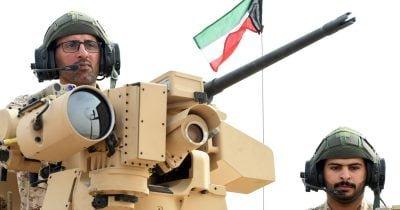
Recent military actions involving Kuwait have heightened tensions in the Gulf region. Reports indicate that Kuwait's armed forces have successfully intercepted hostile aerial targets, a significant development amidst the ongoing Iran-U.S. conflict. This escalation underscores a broader pattern of military confrontations, specifically in light of Iran's retaliatory strikes against U.S. military installations in Kuwait.
The interception signals a vital shift in the security dynamics of the region, showcasing Kuwait's readiness to defend its airspace amid increasing threats. As military capabilities evolve, the implications of such incidents extend beyond immediate security concerns, affecting geopolitical stability and economic prospects within the Gulf. The recent U.S. airstrikes on Iranian positions have likely intensified Iran's military responses, prompting a cycle of retaliation that could involve additional Gulf states.
Regional Implications of Military Escalation
Market participants are keenly observing the evolving situation, as the potential for further Iranian military actions against Gulf nations appears increasingly plausible. With heightened missile and drone activities targeting both American and Kuwaiti assets, the implications for regional security are profound. Key takeaways from this escalation include:
- The interception by Kuwaiti forces suggests a significant escalation in military activities in the Gulf region.
- This development appears consistent with increased probabilities of further Iranian military actions against Gulf states.
- Market pricing indicates that participants view the situation as supportive of further military engagements involving Iran.
Additionally, analysts will be closely monitoring responses from Iranian leaders and Gulf state officials. Their decisions will likely influence the trajectory of this conflict, with potential ramifications for market perceptions and future military engagements. As tensions rise, the situation remains fluid, compelling stakeholders across the region and beyond to reassess their strategic positions and risk exposures. Such developments are crucial for understanding how the Gulf's security climate may shift in the wake of these confrontations.
This material is informational and should not be considered financial advice.