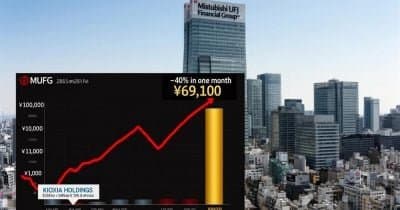
Kioxia's recent plunge in market valuation by approximately 50% raises critical concerns about the sustainability of the AI memory boom. Once considered the most valuable company in Japan, Kioxia's market cap dropped from a peak of up to 50 trillion yen (around $320 billion) to around 29.5 trillion yen (approximately $181.7 billion) in a matter of weeks. This rapid decline serves as a stark reminder of the volatility inherent in tech stocks driven by speculative momentum.
The Rise and Fall of Kioxia
The surge in Kioxia's stock was largely fueled by the expectation that AI data centers would require significant amounts of storage. With investors projecting a booming demand for memory chips, the stock skyrocketed by over 600% in the first half of 2026, even reaching gains of nearly 857% at one point. This meteoric rise saw Kioxia surpass established giants like Toyota to claim the title of Japan's most valuable company.
However, the optimism quickly unraveled when rumors regarding a potential delay in OpenAI's IPO began circulating. This speculation resulted in a sharp 12% drop in Kioxia's shares, which triggered a cascading effect on other semiconductor stocks like Samsung and SK Hynix. The wave of sell-offs continued, culminating in a staggering 14% decline in a single session, knocking Kioxia out of the top three companies in Japan.
Implications for Semiconductor Investors
The Kioxia incident poses several important questions for investors with exposure to semiconductor stocks. One key consideration is the distinction between contracted revenue and anticipated revenue in AI-related stocks. The memory chip market has historically been cyclical, and current valuations may not fully account for potential downturns.
Moreover, Bain Capital's decision to liquidate its stake in Kioxia during this peak raises eyebrows. When a knowledgeable investor opts to exit at the height of an AI-driven rally, it prompts retail investors to reconsider their positions and outlooks. Such moves indicate a possible misalignment between institutional and retail sentiment.
Furthermore, the interconnectedness of the semiconductor market is evident. Kioxia's drop affecting peers like Samsung and SK Hynix highlights how sentiment shifts in one company can create ripples throughout the sector. Despite the 50% drop from its peak, Kioxia's stock remains up roughly 328% from where it started the year, emphasizing that a correction doesn't necessarily equate to a bargain.
This article is for informational purposes only and should not be considered financial advice.