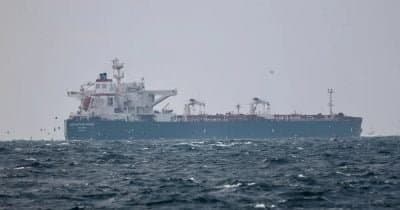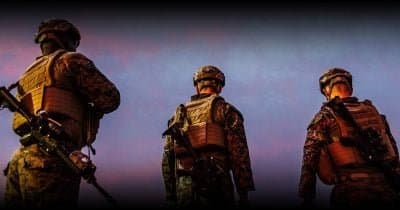
The recent boarding of the M/T Wen Yao by US Marines highlights a key moment in the ongoing tensions surrounding Iranian port operations. This move, initiated under a strict naval blockade imposed by President Donald Trump on July 13, 2026, reflects not only immediate military objectives but also the broader implications for global oil traffic, particularly through the critical Strait of Hormuz.
The enforcement of this blockade, which aims to reopen the Strait of Hormuz, serves as a clear signal of US commitment to controlling regional maritime routes. With US forces conducting airstrikes on Iranian infrastructure, including vital bridges and rail lines, the potential for escalating military conflict becomes increasingly concerning. The 11th Marine Expeditionary Unit's direct involvement suggests a strategic shift from merely observing to actively participating in containment efforts, which could lead to an intensification of hostilities.
Market Reactions and Oil Supply Concerns
Investors are already reacting to these developments, as indicated by a significant decrease in the market pricing odds for normalized traffic through the Strait of Hormuz. Currently, estimates stand at just 0.9% likelihood that flow will stabilize by the end of July. This stark reduction in expectations could lead to volatility in global oil prices, affecting everything from consumer fuel costs to the profitability of oil-dependent countries.
The situation's urgency is amplified by the collapsing odds of a US announcement regarding the conclusion of the blockade, currently pegged at only 7.5% for a resolution by July 24. Such a prolonged blockade may lead to supply chain disruptions, which can ripple through various markets, including energy stocks and commodities.
Monitoring Diplomatic Shifts
The trajectory of US-Iran relations will be critical in shaping the future of the blockade. Observers are urged to keep a close watch on any diplomatic engagements that may signal a thaw in relations. Key insights may arise from President Trump's public statements and actions by the US Central Command, providing an essential indicator of both the blockade’s future and potential shifts in military strategy.
With the potential for either escalation or de-escalation, market responses could vary drastically. Continued enforcement by US forces could heighten tensions, while any diplomatic breakthroughs might redirect the current path, stabilizing not only regional politics but also impacting global oil markets.
This material is informational and not financial advice.