The recent killing of Iran's supreme leader, Ayatollah Ali Khamenei, during a US-Israeli military operation marks a significant geopolitical turning point, with immediate repercussions felt not only in traditional political arenas but also in the cryptocurrency markets. The impact of such an event on crypto is particularly noteworthy, given the nexus between geopolitics and digital asset trading.
Massive Mourning and Leadership Reconfiguration
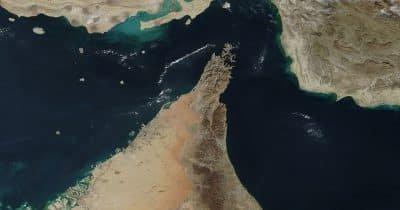
Following Khamenei's death on February 28, 2026, Iran witnessed massive funeral processions with up to 20 million mourners participating across major cities. This event has created a leadership vacuum quickly addressed by the formation of an Interim Leadership Council, which is transitioning towards a more permanent arrangement with Mojtaba Khamenei stepping into his father's shoes as the new Supreme Leader. Political transitions of this magnitude often lead to unstable governmental structures, and in the case of Iran, this could invoke both internal strife and external military posturing, especially in strategic zones like the Strait of Hormuz.
Impact of Sanctions on Iranian Crypto Infrastructure
The US Treasury's June 2 sanctions targeting Nobitex, Iran's largest digital asset exchange, serve as a significant blow to Iran's crypto landscape. The platform reportedly facilitated over 50% of Iranian digital asset flows in 2025 and was linked with the Islamic Revolutionary Guard Corps (IRGC). As regulations tighten, Iranian crypto exchanges may scramble to distance themselves from any implications of facilitating governmental or militia-related transactions, thereby raising compliance costs across the board. This could lead to increased opportunities for decentralized exchanges and privacy-centric protocols, which are often perceived as more resilient to such restrictions.
Market Reactions and Future Implications
In the immediate wake of Khamenei's death, Bitcoin showcased notable volatility, highlighting the intertwined nature of geopolitical events and cryptocurrency market dynamics. A prediction market aimed at analyzing Khamenei's situation witnessed an impressive volume of $45 million, affirming market participants' responsiveness to such significant global developments. For investors, these turbulent market conditions signal a need for heightened vigilance and adaptability in their strategies.
Furthermore, the prospect of ongoing geopolitical tensions could cement certain altcoins and decentralized platforms as preferable investments, as actors within the crypto space increasingly seek alternatives that might shield them from regulatory scrutiny. The balance between innovation and regulation will be critical, and could set the stage for a more complex regulatory environment globally, further complicating an already volatile market.