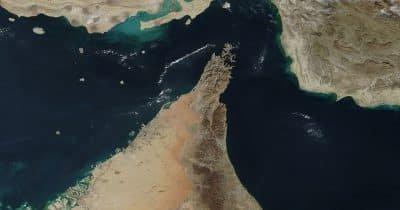
The recent announcement from Iran regarding its decision to accept Bitcoin and USDT for tolls at the strategically vital Strait of Hormuz marks a significant pivot not only for Tehran but also for the broader landscape of international trade, particularly under the shadow of sanctions.
Geopolitical Implications
Iran’s ambassador to China, Abdolreza Rahmani Fazli, revealed during the World Peace Forum that the nation will implement reduced transit fees for China and its allies, tying economic incentives to geopolitical loyalties. The fee reductions underscore Iran's effort to fortify its relationship with China amid ongoing tensions with the United States and Israel, emphasizing a form of economic diplomacy that leverages one of the world's critical shipping chokepoints.
The proposed fee of up to $2 million per vessel presents a new revenue stream for Iran while simultaneously signaling its willingness to navigate international trade routes using crypto assets. This move not only tests the resilience of digital currencies in sanctioned contexts but also reflects a growing trend where countries seek alternatives to traditional banking systems that can be stifled by geopolitical tensions.
The Role of Cryptocurrency
Utilizing Bitcoin and USDT provides Iran with a mechanism to bypass the stringent restrictions imposed by Western financial institutions. As sanctions continue to limit access to conventional financial channels, this shift towards cryptocurrency could facilitate a more fluid exchange of value between nations with strained relations to the West.
Additionally, Iran's ongoing investment in Bitcoin mining, underpinned by subsidized energy, reinforces its commitment to cryptocurrency as a bedrock for economic activity, showcasing a dual strategy focused on domestic resource utilization and international economic engagement.
Potential Consequences for Crypto Markets
Despite the major announcement, there were no immediate significant price fluctuations for Bitcoin or USDT, indicating that the markets may currently perceive this development as a case study rather than a catalyst for large-scale investment or speculation. However, the implications for crypto investors should not be understated.
- The engagement of Tether in this scenario could place it in a precarious position, especially as US regulators intensify scrutiny over sanctions evasion through cryptocurrencies.
- The evolving landscape may inspire other nations under sanctions to explore similar strategies, thereby testing the boundaries of cryptocurrency’s role in global trade.
- Investors should remain vigilant as regulatory frameworks may adapt in response to these emerging scenarios, impacting the legitimacy and viability of crypto assets in sanctioned trade.
In summary, Iran’s move to integrate cryptocurrency into its toll collection strategy at the Strait of Hormuz suggests a pioneering approach to circumventing traditional financial obstacles. This could redefine not just regional trade dynamics but also set a precedent for how cryptocurrencies might be employed by other nations facing similar geopolitical challenges.