The anticipated resumption of diplomatic discussions between the United States and Iran on July 11 in Islamabad holds significant implications for both geopolitical stability and the cryptocurrency market's performance. Investors and analysts alike are keenly observing these talks, as historical trends indicate that diplomatic progress can lead to substantial shifts in asset prices, particularly in Bitcoin.
Context of the Negotiations
The upcoming talks come after a lengthy 21-hour session in April, which, despite its duration, did not yield a concrete agreement. The main topics at hand remain largely unchanged: nuclear limitations, sanctions relief, and regional stability, focusing heavily on the critical Strait of Hormuz an area that facilitates roughly 20% of the world's oil supply. Any disruptions in this region are likely to resonate across various asset classes, including cryptocurrencies, which have proven sensitive to global geopolitical events.
Pivotal Outcomes and Market Reactions
The outcome of the negotiations on July 11 could unfold in one of three distinct scenarios:
- Meaningful Agreement: Progress towards a formal agreement could bolster market confidence, maintaining or even enhancing the current risk-on sentiment.
- Continued Talks: Another inconclusive session that shows commitment to ongoing dialogue, which may leave markets in a wait-and-see mode.
- Breakdown of Talks: A failure to progress could lead to increased volatility in the cryptocurrency markets, reflecting renewed geopolitical tensions.
Previous discussions have already shown that positive signals from negotiation channels have the potential to lift Bitcoin prices, as evidenced by surges above $61,000 in response to diplomatic optimism. This highlights a market trend where investors are increasingly pricing in geopolitical de-escalation as a bullish catalyst.
The Role of Pakistan and Broader Implications
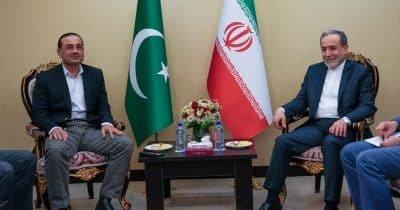
Pakistan's role as a mediator underscores the complexity of the discussions, having facilitated crucial indirect dialogues between Washington and Tehran. The broader geopolitical climate, notably following the 2026 Iran War, frames these negotiations within a critical lens. As various stakeholders including U.S. Vice President JD Vance and Iranian Foreign Minister Abbas Araghchi engage in discussions guided by the 60-day roadmap, the outcome may influence not only regional stability but also the burgeoning cryptocurrency market.
Investors should maintain a vigilant eye on these developments, as they will likely reflect in market trends and trader sentiment in the near term. Understanding the intertwining nature of geopolitical events and cryptocurrency market dynamics becomes essential in navigating potential volatility.