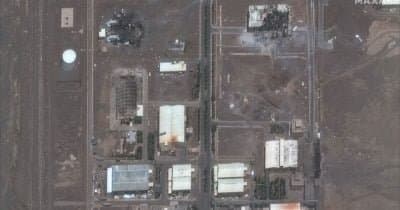
The recent assassination of former Supreme Leader Ali Khamenei during a US-Israeli airstrike has opened a critical chapter in Iran's turbulent political landscape. Deputy Secretary of the Supreme National Security Council, Ali Bagheri Kani, has publicly urged the Iranian government to take decisive action against the perpetrators of this attack. This call for accountability signals a heightened awareness of the instability that now permeates Iran's leadership structure, especially given the power vacuum left in the wake of Khamenei's death.
The urgency of Bagheri Kani’s statement underscores a dual narrative: the immediate need for justice and the broader implications for Iran's political future. With no clear successor in sight, the potential for leadership turmoil is significant. The absence of a strong leader could lead to increased factionalism within the government and military, further complicating an already fragile political environment.
Market analysts are reacting to this uncertainty, with many speculating that the likelihood of a stable head of state in Iran by the end of 2026 is diminishing. The pricing in financial markets reflects a growing consensus that the absence of a strong successor may lead to increased volatility both within Iran and in its international relations, particularly with the US and Israel. This situation necessitates careful observation of any forthcoming announcements regarding leadership succession, as these could significantly affect market perceptions of stability.
Additionally, the Islamic Revolutionary Guard Corps (IRGC) will play a pivotal role in shaping the direction of Iran's leadership transition. Their public statements and actions may provide critical insights into how the Iranian government intends to navigate this precarious phase. As the political landscape continues to evolve, the outlook for Iran’s domestic stability and international relations remains fraught with uncertainty.
This material is informational and should not be considered financial advice.