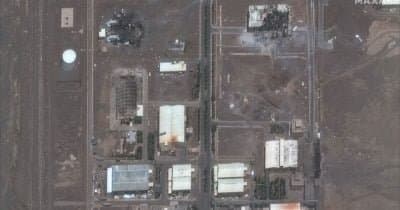
The recent firm denial by Iran's Foreign Ministry spokesman Nasser Baghaei of the IAEA's request for access to its nuclear facilities highlights a significant turning point in the ongoing diplomatic engagements surrounding Iran's nuclear program. This refusal comes amid critical US-Iran negotiations aimed at establishing a comprehensive nuclear deal, further complicating the already delicate dynamics of international relations in the region.
The context of this denial is crucial. With an interim peace accord that ostensibly included provisions for inspections by the International Atomic Energy Agency, Iran's steadfast position suggests a deeper strategic calculation. It appears that Iran is unwilling to concede to international pressures, particularly those stemming from US sanctions, which it views as a precondition for any meaningful dialogue. This could signify a broader strategy to assert its sovereignty and negotiate from a position of strength.
The implications for the market are profound. Analysts are projecting a diminished likelihood of a favorable US-Iran deal, as this denial reflects a gap in transparency and cooperation that is essential for trust-building. The lack of progress could adversely affect investor confidence, particularly regarding the potential inclusion of Iran Reconstruction Funding in any future agreements. The ripple effects of this development are already being felt in pricing across related markets, indicating a significant drop in confidence regarding the implementation of a comprehensive deal that includes nuclear oversight.
As observers monitor this situation, several factors warrant close attention. Any shifts in Iran’s diplomatic stance or alterations in US sanctions could reshape market perceptions and influence the trajectory of negotiations. Statements from key negotiators or reactions from other international players might provide further clarity on the prospects for resolution. Moreover, potential military actions or bold declarations from involved nations could dramatically alter the geopolitical landscape, leading to increased volatility in oil and financial markets.
This analysis is informational and should not be construed as financial advice.